Cartridges Across the Pacific: The American Obsession With Retro Japanese Games Still Sitting on Asahikawa Shelves
There's a particular kind of collector energy that borders on obsession. You know the type — the person who has already tracked down every North American release for a given console and is now staring down a spreadsheet of Japanese exclusives, wondering how hard it would really be to import a Super Famicom copy of Treasure Hunter G or a pristine PC-88 game still sealed in its original box. The answer, increasingly, is: not that hard. And places like Asahikawa are a big reason why.
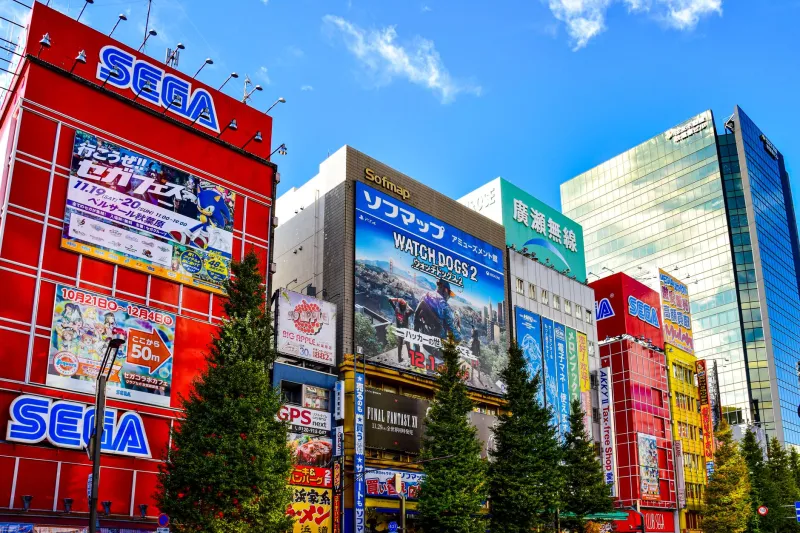
While most of the world's retro gaming conversation centers around Tokyo's Akihabara district or Osaka's Den Den Town, smaller Japanese cities have quietly become some of the most fertile ground for collectors. Shops here didn't get swept up in the same tourist-driven price inflation that hit the major metros. That means shelves that still carry hardware and software at prices that would make a stateside collector weep with joy — if they can get their hands on it.
Why Asahikawa, of All Places?
It sounds counterintuitive. Asahikawa is Hokkaido's second-largest city, better known for its winter festival and ramen than for gaming culture. But that's exactly the point. Cities like this didn't experience the same aggressive secondhand market consolidation that happened in Tokyo, where big retro chains scooped up inventory and repriced everything for the collector market years ago.
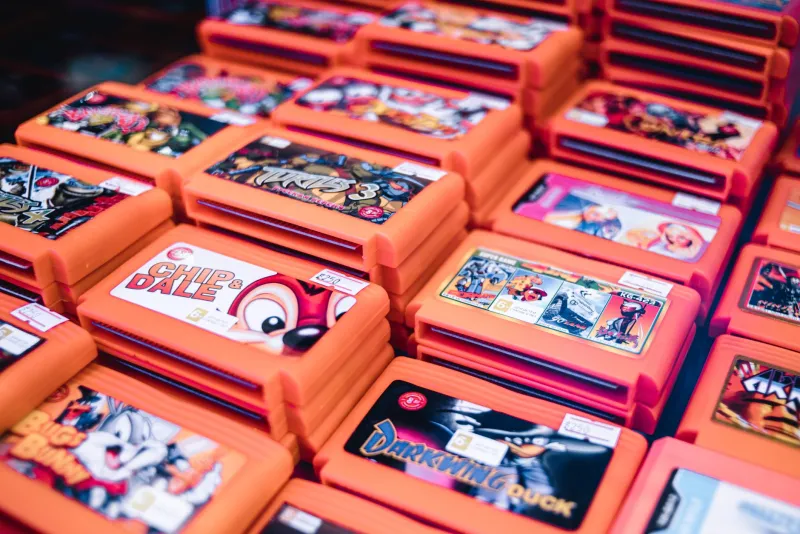
Local shops in Asahikawa — video rental stores, entertainment retailers, used goods outlets — held onto stock that simply didn't move fast enough locally to get flipped. An old Family Computer (Famicom) lot. A box of Super Famicom cartridges from an estate sale. A shelf of PC Engine games still in their original HuCard cases. For a US collector, that's a treasure map. For a local shop, it's inventory that's been waiting for the right buyer.
The internet closed that distance. Once American collectors realized they could reach out directly, use proxy shipping services, or connect through collector communities on Reddit and Discord, the geography stopped mattering as much.
What Collectors Are Actually After
So what's driving this? A few distinct categories keep coming up when you talk to serious US-based importers.
Japanese console variants and hardware top the list. The Sharp X68000, the PC-88, the MSX2 — these are machines that never got a Western release but influenced game design in ways that echo through titles Americans grew up loving. Owning one isn't just about nostalgia; it's about understanding the roots of genres and mechanics that defined the medium.
Region-exclusive software is the other big pull. The Super Famicom library is enormous compared to the SNES catalog. Titles like Bahamut Lagoon, Live A Live, and Treasure Hunter G spent decades as Japan-only releases, and even though many have since received fan translations or official localizations, collectors still want the original cartridges. There's something about holding the physical artifact that no digital version replicates.
Condition and completeness matter enormously in this space. A Japanese game with its original box, manual, and any included inserts — what collectors call CIB, or Complete In Box — can command multiples of what a loose cartridge sells for. And Japanese consumers, culturally, tended to hold onto packaging. That means CIB rates on Japanese secondhand games are often higher than equivalent American releases, which is a huge draw for completionists.
The Shipping Math (And Why It Still Works Out)
Let's be honest — international shipping isn't cheap, and it adds friction to every transaction. A package from Hokkaido to the US Midwest isn't the same as ordering from a domestic eBay seller. There are customs considerations, potential delays, and the ever-present anxiety of watching tracking updates from across the Pacific.
But collectors have run the numbers, and it keeps working in their favor. A complete copy of Clock Tower for the Super Famicom — a survival horror classic that got a watered-down Western port — might run $40 to $60 through an Asahikawa shop. The same item, if you can even find it, goes for two to three times that on US auction sites. Rare RPGs, strategy titles, and niche genres that never traveled west can show even wider gaps.
Proxy services have helped smooth the process considerably. Companies that specialize in buying on behalf of international customers, consolidating packages, and handling the customs paperwork have turned what used to be a logistical headache into something manageable for even casual collectors.
The Community That Makes It Happen
This whole ecosystem runs on community knowledge. Collector forums, subreddits dedicated to specific consoles, and Discord servers full of people who have done this dozens of times are where the real expertise lives. Someone who has successfully imported from Asahikawa before can walk you through which services they used, what to watch for in listings, and how to verify condition descriptions from sellers who may not be fluent in English.
There's also a generosity to it. Experienced importers share finds, tip off other collectors to shops they've worked with, and maintain running lists of what's currently available in specific regions. It's less cutthroat than you might expect from a market where prices can be significant. Most people in these communities got into it because they loved the games first, and that shows.
What This Means for Shops Like Ours
For a retailer in Asahikawa, this international collector interest is genuinely exciting. Inventory that might have sat on a shelf for years has found a global audience that values it. It's a reminder that entertainment media — physical media especially — doesn't expire. A cartridge from 1992 is just as playable today as it was then, and in some cases more valuable.
We've started paying closer attention to what we carry and how we describe it, knowing that someone in Seattle or Atlanta might be browsing just as readily as a local customer. The market has expanded without us having to go anywhere.
For American collectors still on the fence about going international for their retro hunting, the message is pretty simple: the stuff is out there, the community will help you get it, and the prices still make sense. Asahikawa isn't Akihabara — and right now, that's the whole point.