What American Gamers Are Missing: The Japanese Exclusives Quietly Sitting on Store Shelves in Asahikawa
The Wall You Don't Know Exists
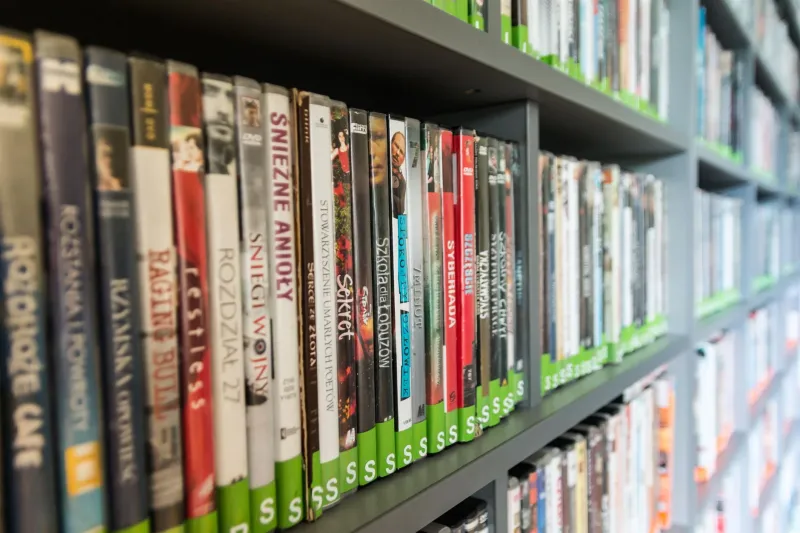
Most American gamers assume they're getting the full picture. New releases hit GameStop, pop up on Steam, and flood the PlayStation Store on launch day. Easy enough, right? But spend an afternoon browsing the shelves here at a place like Video World Asahikawa — or any well-stocked game retailer in Hokkaido — and you'll quickly realize there's an entire parallel universe of gaming that never makes the trip overseas.
We're talking about titles that sell hundreds of thousands of copies in Japan, rack up devoted fanbases, and get sequels, spin-offs, and merchandise lines — all while remaining completely invisible to the average American player. It's not a conspiracy. It's just business, culture, and a whole lot of licensing headaches. But for collectors and curious gamers willing to dig a little deeper, it's also an absolute treasure trove.
Why Some Games Never Leave Japan
The reasons a game stays Japan-exclusive are surprisingly varied. Sometimes it comes down to pure economics — localizing a game into English costs real money, and publishers aren't always confident the investment will pay off in Western markets. Other times, the content itself is considered too niche, too text-heavy, or too culturally specific to translate well.
Visual novels are a classic example. Genres like otome games (romance-focused titles aimed at women) and hardcore dungeon crawlers with dense stat systems have massive audiences in Japan but historically struggled to find mainstream footing in the US. Publishers simply didn't see the ROI. The result? Dozens of beloved franchises that Japanese players grew up with are basically ghost titles to American audiences.
There's also the language barrier factor. A lot of Japanese exclusives lean hard into dialogue, storytelling, and menu navigation that would require substantial translation work. For smaller studios without deep pockets, that's often a dealbreaker.
The Titles Worth Knowing About
So what are we actually talking about here? Let's get specific.
Idol management sims like the THE iDOLM@STER series have been massive in Japan for nearly two decades. The franchise spans games, anime, concerts, and merchandise, yet only a handful of entries have ever seen official English releases. Walk into a Asahikawa game shop and you'll find multiple versions across multiple platforms. Walk into most American retailers and you'll find nothing.
Tactical RPGs from mid-tier Japanese developers often fall into the same category. Series like Shining Force have some Western history, but newer entries in similar franchises frequently stay locked to Japan. These aren't low-quality budget titles — they're polished, mechanically deep games with passionate communities.
Horror and psychological adventure games are another strong category. Japan has a long tradition of slow-burn, atmosphere-heavy horror that doesn't rely on jump scares. Games in this vein — think along the lines of the Zero Escape series, though that one did eventually make it West — often stay domestic because publishers assume American audiences want action over dread. Sometimes they're right. Sometimes they're leaving serious money on the table.
Mahjong and card game titles round out a category that's essentially invisible in America simply because the games themselves aren't culturally familiar. These are wildly popular in Japan and represent a completely different gaming tradition that most American players have zero exposure to.
Talking to the People Who Actually Hunt These Down
Collectors who specifically seek out Japanese imports are a dedicated group. Online communities on Reddit (r/gameswap, r/importgaming) and Discord servers dedicated to import collecting are full of enthusiasts who've made this their thing.
One collector based in Portland who goes by the handle NorthernCartridge online put it plainly: "Once you start importing, you can't really go back to thinking you've seen everything. The Japanese market treats certain genres with way more respect. Strategy games, simulation titles, visual novels — they get full retail releases with beautiful packaging while Western publishers are treating the same genres like afterthoughts."
Another collector, a teacher from Austin who asked to remain anonymous, described spending hours navigating Japanese auction sites like Mercari Japan and Yahoo Auctions JP. "My Japanese is pretty basic, but I've learned enough to get by. The thrill of finding a sealed copy of something that basically doesn't exist in America is genuinely exciting. It's like record digging but for games."
Both collectors pointed to import-friendly retailers and services like Buyee (a proxy shopping service) as essential tools for American buyers who can't exactly pop over to Asahikawa on a whim.
The Cultural Divide Is Real — And Interesting
Beyond the business logic, there's a genuine cultural gap worth understanding. Japanese gaming culture values different things. Patience, repetition, and mastery are often baked into game design in ways that feel punishing to Western players raised on modern accessibility features and autosave systems.
At the same time, Japanese games tend to invest heavily in character relationships, aesthetics, and atmosphere — elements that Western AAA studios often treat as secondary to mechanics or spectacle. Neither approach is wrong, but they do produce different products for different audiences.
What's fascinating is watching that gap slowly close. The success of titles like Persona 5, Nier: Automata, and Hades (which itself borrowed heavily from Japanese game aesthetics) has shown Western publishers that American audiences are more adventurous than they've been given credit for. Slowly, more Japanese exclusives are getting localization treatment they wouldn't have received five years ago.
But slowly is the key word. For every Persona 5 that breaks through, there are dozens of equally compelling titles that never get the chance.
How to Start Your Own Import Journey
If this has you curious, here's the honest starter guide:
- Proxy services like Buyee or FROM JAPAN let you purchase from Japanese retailers and auction sites without needing a Japanese address or payment method.
- Region-free hardware is your friend. The Nintendo Switch is region-free by default, making it the easiest platform for import gaming. PS4 and PS5 are also region-free for games.
- Translation patches exist for many beloved exclusives, created by fan communities and freely available online. The quality varies, but for major titles, these patches can be remarkably polished.
- YouTube and community wikis can help you navigate games that are still in Japanese — many players happily play import titles using video guides as a translation crutch.
The Shelf That Never Gets Old
Here at Video World Asahikawa, those shelves of Japanese exclusives represent something that's easy to take for granted when you're local — and endlessly fascinating when you see it from the outside. For American gamers who've started to feel like they've seen everything the industry has to offer, the import scene is a genuine reminder that the map is much bigger than it looks.
The hidden gems are out there. You just have to know where to look — and be willing to cross a few borders to find them.