The Unexpected City: How Asahikawa Quietly Helped Shape the Entertainment You Love
When Americans think about the origins of their favorite anime, the games that defined their childhoods, or the films that changed how Hollywood approached storytelling, Japan is almost always part of that conversation. But Japan, in the cultural imagination, tends to collapse into a single image: Tokyo. Neon lights, Shibuya crossings, Akihabara electronics towers. The reality of how Japanese entertainment culture actually works — how it's created, distributed, consumed, and eventually exported — is far more distributed than that image suggests.
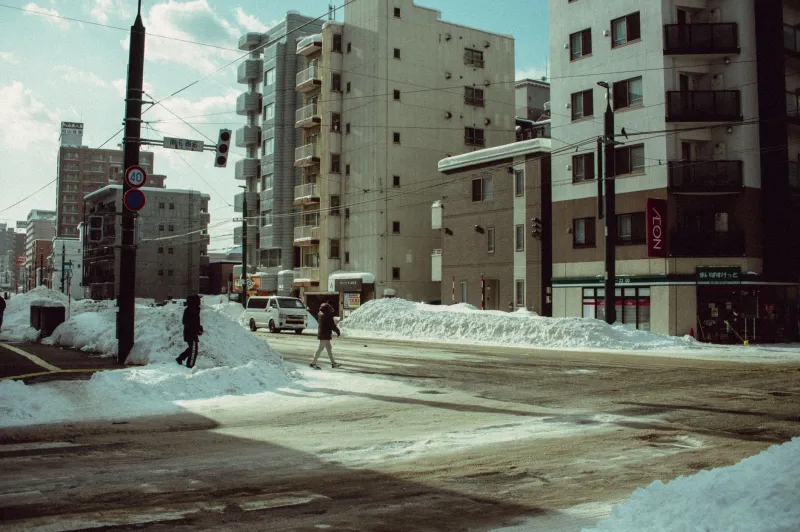
Cities like Asahikawa, the capital of Hokkaido's interior and Japan's second-coldest city, don't usually make the highlight reel. But they should. Here at Video World Asahikawa, we've spent years at the intersection of local entertainment culture and global media trends, and what we've observed is that regional Japanese cities aren't just passive consumers of mainstream culture — they're active participants in shaping it.
Hokkaido's Cultural Identity and Why It Matters
Hokkaido is Japan's northernmost main island, and it carries a distinct cultural identity that sets it apart from the rest of the country. Its history of frontier settlement, its indigenous Ainu heritage, its agricultural landscape, and its long, severe winters have all contributed to a regional character that values resilience, community, and interior life — the kind of conditions, historically, that produce rich storytelling traditions.
Asahikawa sits at the heart of that identity. It's home to one of Japan's most beloved children's book authors — Yukie Chiri, who documented Ainu oral traditions — and has long served as a cultural hub for the surrounding region. Its residents have historically been enthusiastic consumers and supporters of entertainment media, in part because the climate makes indoor culture a year-round priority in a way that's less pressing in southern Japan.
This isn't incidental. The regions of Japan that have supported robust local entertainment retail cultures — including dedicated video rental stores, game shops, and music outlets — have historically been places where physical media maintained cultural significance longer than the national average. Asahikawa fits that pattern.
The Anime Pipeline: From Regional Fandom to Global Phenomenon
It's easy to forget, from the vantage point of 2024, that anime's global dominance wasn't inevitable. In the 1980s and early 1990s, anime was a niche interest in the United States — something you caught in early-morning TV blocks or found on poorly-dubbed VHS tapes at specialty stores. The journey from that niche to a mainstream cultural force that now shapes US streaming strategy, Hollywood adaptation pipelines, and mainstream fashion is one of the more remarkable media stories of the past thirty years.
Regional Japanese cities were essential to that journey in ways that often go undiscussed. Studios like Madhouse, Bones, and Toei Animation have always drawn creative talent from across Japan — not just Tokyo. Writers, animators, and directors with roots in Hokkaido have contributed to properties that became globally recognized. The creative DNA of Japanese animation is genuinely national, even when the production infrastructure is Tokyo-centered.
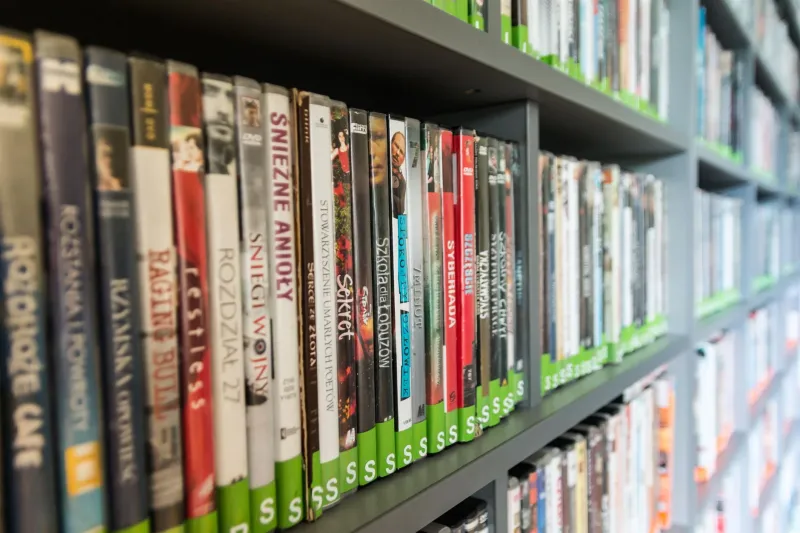
More concretely, regional entertainment retail — the video stores, rental shops, and specialty outlets in cities like Asahikawa — served as the distribution backbone that kept anime commercially viable during its formative decades. Before streaming, before Crunchyroll, before Netflix licensing deals, anime lived and died on physical media sales and rentals. Regional stores were where that economic foundation was built, title by title, customer by customer.
Gaming Culture and the Regional Dimension
The same dynamic applies to gaming. Japan's video game industry is, of course, globally dominant — Nintendo, Sony, Sega, Capcom, Square Enix, Konami. But the culture that sustained and shaped that industry wasn't just a Tokyo phenomenon. Gaming arcades, rental shops, and specialty retailers in regional cities like Asahikawa created the consumer base that funded Japanese game development through its most creatively fertile periods.
The games that defined American gaming culture in the 1990s and 2000s — Super Mario, The Legend of Zelda, Final Fantasy, Metal Gear Solid, Street Fighter — were products of an industry that was commercially grounded in Japan-wide consumption. Every rental transaction in a Hokkaido game shop was, in a small but real way, part of the economic ecosystem that made those games possible.
Today, as Japanese indie developers gain increasing international attention and as retro gaming culture drives renewed interest in classic Japanese titles, that regional history becomes even more relevant. The games that American collectors are hunting for, the obscure titles that turn up in import communities — many of them were everyday rental shop staples in cities like Asahikawa, now elevated to collector status in the US.
Japanese Film and Its Ongoing Influence on Hollywood
The influence of Japanese cinema on American filmmaking is both deep and frequently underacknowledged. Directors like Akira Kurosawa shaped the visual grammar of the Western genre (Sergio Leone's A Fistful of Dollars is a direct adaptation of Kurosawa's Yojimbo). The horror aesthetics of films like Ringu and Ju-On fundamentally altered the American horror genre in the early 2000s. More recently, the visual storytelling of anime has influenced mainstream Hollywood productions from Spider-Man: Into the Spider-Verse to the stylistic choices of directors like the Wachowskis.
Hokkaido, and Asahikawa specifically, has its own cinematic footprint. The region's dramatic landscapes — snow-covered plains, volcanic mountains, dense forests — have served as filming locations for Japanese productions that later found international audiences. The Hokkaido-set drama Natsuzora, for example, became one of NHK's most-watched morning serials and reached audiences far beyond Japan through streaming platforms.
More broadly, Hokkaido's cultural specificity — its food, its landscapes, its Ainu heritage — has fed into Japanese storytelling in ways that give Japanese media part of its distinctiveness from a global perspective. That distinctiveness is a significant part of why American audiences find Japanese entertainment compelling in the first place.
Asahikawa as a Cultural Lens
None of this is to claim that Asahikawa is secretly the center of the entertainment universe. It isn't, and we'd never suggest otherwise. But it is to argue that the story of how Japanese entertainment became a global cultural force is a regional story as much as a national one — and that cities like Asahikawa are legitimate windows into that story.
When you browse a store like Video World Asahikawa, you're not just accessing local inventory. You're accessing a curatorial tradition, a set of consumer tastes, and a cultural context that has been shaped by and has helped shape the global entertainment landscape. The anime on our shelves didn't emerge from a vacuum. The games in our rental section have histories that stretch back through decades of regional consumer culture.
For American audiences trying to understand why Japanese entertainment resonates so deeply — why the games feel different, why the films hit differently, why anime has become a genuine mainstream cultural force — part of the answer lies in places like this. Cities that quietly, consistently, and enthusiastically showed up for the content that eventually conquered the world.
That's a story worth knowing.