Browsing Shelves Again: How Japanese Video Rental Culture Is Winning Over Streaming-Tired Americans
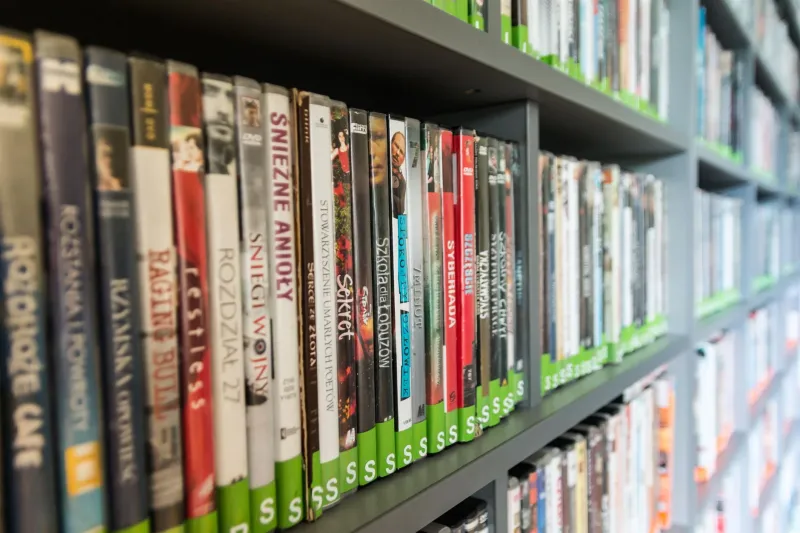
There's a moment that every video rental veteran knows by heart. You walk through the door, the store hums with quiet energy, rows of colorful cases stretch out in front of you, and suddenly you've got a Friday night full of possibility. For most Americans, that moment is a memory — something filed away with Blockbuster loyalty cards and rewinding fees. But here's the thing: in Japan, that moment never went away. And now, Americans are starting to notice.
At Video World Asahikawa, we've been watching this shift with a lot of genuine excitement. The physical media rental experience that quietly survived — and even thrived — in cities like Asahikawa is suddenly becoming the thing that streaming-fatigued US viewers are actively searching for. Let's dig into why.
The Streaming Hangover Is Real
Ask anyone who pays for three or four different streaming platforms, and they'll probably tell you the same thing: they spend more time scrolling than actually watching. A 2023 survey from Whip Media found that nearly 40% of US streaming subscribers reported feeling overwhelmed by too many choices. Algorithms push the same trending content, recommendation engines bubble you into familiar territory, and discovery — real, serendipitous discovery — has all but dried up.
That's exactly what physical rental culture used to solve. When you walked into a store, you bumped into stuff you never would have searched for. A staff pick sticker on an obscure thriller. A hand-written recommendation card taped to a foreign film section. A game you'd never heard of sitting between two franchises you already loved. That kind of curated accident is almost impossible to replicate digitally.
"I canceled two streaming services last year," says Marcus T., a 34-year-old graphic designer from Portland, Oregon, who now buys and rents physical media through specialty shops and import services. "I just got tired of the algorithm feeding me the same stuff. I wanted to browse. I wanted something to surprise me."
Japan Never Let Go — And Asahikawa Is a Perfect Example
While the US saw its rental industry collapse almost entirely by the early 2010s, Japan took a very different path. Major chains like TSUTAYA and GEO continued operating thousands of locations nationwide, and smaller regional stores — including the kind of neighborhood shops that have defined Asahikawa's entertainment scene for decades — held on by offering something chains couldn't: personality.
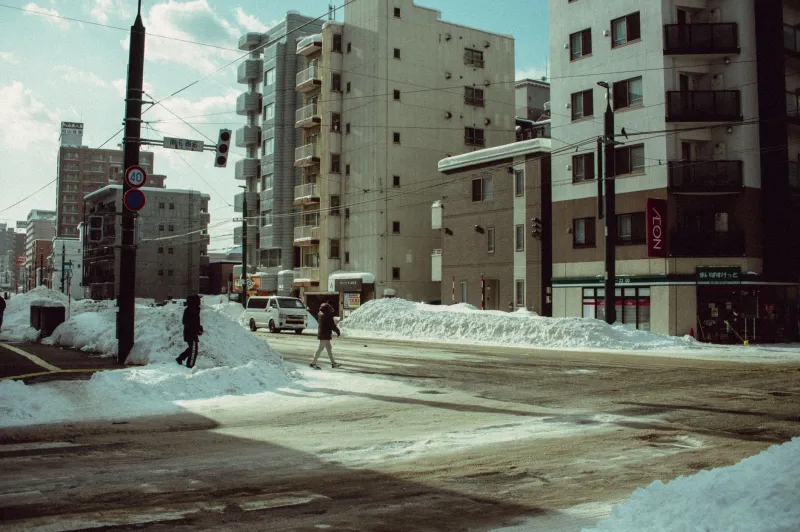
Asahikawa, Hokkaido's second-largest city, isn't usually on the international pop culture radar. But its entertainment retail culture reflects something that's deeply embedded in Japanese consumer values — the idea that a store should be an experience, not just a transaction. Shelves are organized thoughtfully. Staff actually know the inventory. Rare titles sit alongside mainstream hits. There's a care to the curation that you just don't get from a homepage algorithm.
For collectors and enthusiasts in the US who've discovered this through travel, social media, or import communities, it's been something of a revelation.
"I visited a rental shop in Hokkaido on a trip a few years back," recalls Diana L., a film blogger based in Chicago. "The horror section alone had titles I'd been hunting for years. Staff recommendations were handwritten and genuinely thoughtful. I came home and immediately started trying to recreate that feeling somehow. I haven't fully succeeded, but it changed how I think about media."
The Collector Economy and the Rise of Physical Media Nostalgia
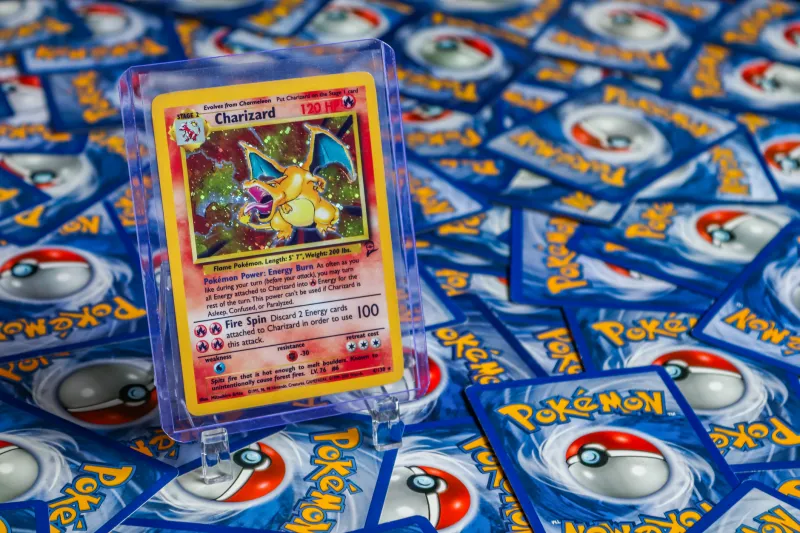
It's not just casual viewers who are driving this trend. The collector community has been quietly building momentum for years, and it's now hitting a kind of cultural tipping point. Vinyl records had their resurgence. Board games made a massive comeback. And now physical video media — DVDs, Blu-rays, and especially video games in their original cartridge and disc formats — is experiencing its own renaissance.
Retail platforms like eBay and Mercari show consistently strong sales for physical game media, particularly Japanese releases and region-specific titles that were never widely distributed in the US. Specialty stores and online communities dedicated to importing Japanese games and films have grown substantially, and YouTube channels focused on physical media collecting regularly pull in hundreds of thousands of views.
What's interesting is that a lot of the language these communities use mirrors exactly what makes Japanese rental culture appealing. Words like "discovery," "curation," and "tangible experience" come up constantly. People aren't just buying stuff — they're rebuilding a ritual.
What American Stores Can Learn (And What's Already Happening)
A small but growing number of independent video and game stores in the US are leaning into this energy hard. Shops in cities like Austin, Seattle, and Brooklyn have started incorporating rental sections, hosting viewing nights, and doubling down on staff recommendations and hand-curated sections. Some are explicitly drawing inspiration from Japanese retail aesthetics — clean organization, thematic displays, genuine expertise at the counter.
The stores that are thriving share a common thread: they've stopped trying to compete with streaming on convenience and started offering something streaming fundamentally cannot — a sense of place, community, and discovery that lives in the physical world.
Here at Video World Asahikawa, that philosophy has always been the foundation. The idea that a great entertainment store isn't just a warehouse for content — it's a cultural space. A place where you walk in looking for one thing and leave with something you didn't know you needed.
The Nostalgia Isn't Just Nostalgia
It would be easy to dismiss all of this as pure sentiment — people getting misty-eyed about their childhood Blockbuster runs. But that undersells what's actually going on. The appeal of physical rental culture isn't just about the past. It's about a present-tense desire for something more intentional, more tactile, and more human than a recommendations carousel.
Japanese video rental stores — especially those in smaller cities like Asahikawa that maintained a neighborhood feel even as the industry evolved — managed to hold onto that human quality. And right now, that quality is exactly what a growing slice of American entertainment consumers are actively craving.
So maybe the real story here isn't that Japanese rental culture is becoming a retro trend in America. Maybe it's that it never went out of style — Americans are just finally catching up.