Racing the Clock: How Dedicated American Gamers Are Syncing Their Wallets to Japan's Release Calendar
There's a specific kind of anticipation that hits differently when you're watching a shipping notification update at 2 a.m. on a Tuesday. No spoilers in your feed yet. No YouTube essays. No discourse. Just a package making its way across the Pacific with a game inside that most of your friends won't be able to play for another three to six weeks. For a growing slice of the American gaming community, that feeling has become the whole point.
What started as a niche habit among hardcore collectors has quietly evolved into something closer to a coordinated import economy — one that regional Japanese retailers, including shops here in Asahikawa, are very much a part of. And it's getting harder for publishers to pretend they haven't noticed.
The Window That Makes It All Possible
Japanese release staggering isn't new. Publishers have been rolling out titles in Japan ahead of Western markets for decades, sometimes by days, sometimes by months. The reasons are varied — localization timelines, regional marketing budgets, platform certification quirks — but the practical effect is the same: Japan gets the game first, and American players who know what they're doing can get it shortly after.
The gap varies wildly depending on the title. A major JRPG might launch in Japan six weeks before its North American counterpart. A niche action game with light text requirements might follow within days. Smaller publishers sometimes stagger releases by territory purely for logistical reasons that have nothing to do with strategy. Whatever the cause, that window is the opening serious collectors have learned to exploit.
The key is knowing when the window opens — and having the right contact on the other side of it.
Why Regional Shops Matter More Than You'd Think
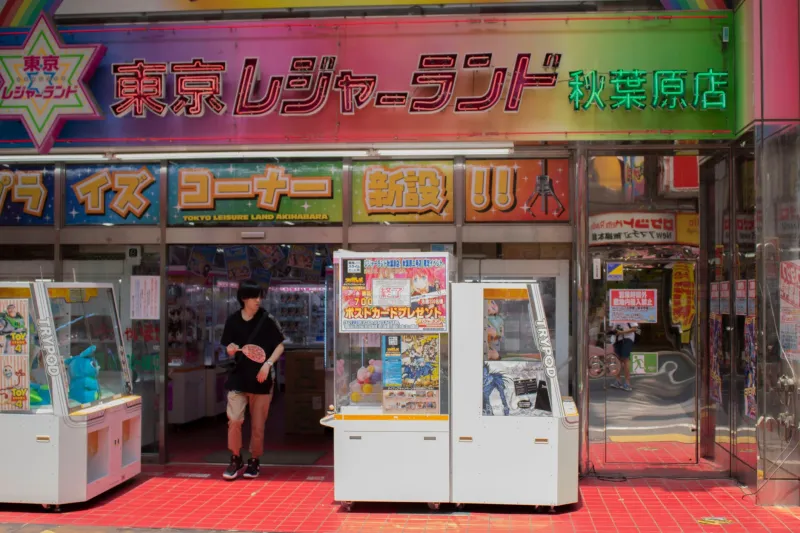
Tokyo gets all the press. Akihabara is practically a meme at this point among Western collectors. But there's a solid argument that regional cities like Asahikawa offer a better import experience for buyers who actually want to secure stock reliably.
Here's the thing about major urban retailers: they move product fast, and their attention is split across thousands of customers. Regional shops, by contrast, tend to have tighter relationships with their regulars — and increasingly, with the international buyers who reach out through social media, direct email, or Discord communities dedicated to Japanese import coordination.
Asahikawa sits in Hokkaido, Japan's northernmost main island, and the shops here have developed a reputation among collectors for being approachable, organized, and surprisingly well-stocked on titles that Tokyo chains sometimes underorder. When a new release drops and the bigger city stores sell out by noon, regional shops often still have copies. That reliability is worth a lot to someone trying to land a day-one import from 6,000 miles away.
The Logistics, Broken Down
For anyone who hasn't done this before, the process sounds more complicated than it actually is. The general flow works like this: a collector identifies an upcoming Japanese release using sites that track regional launch dates, reaches out to a shop (often through an intermediary service or a bilingual community member), confirms stock and pricing, and arranges payment. The shop ships via a service like EMS or a third-party forwarding agent, and the package arrives — usually within a week to ten days, depending on customs.
Cost is the obvious sticking point. Import copies typically run higher than their domestic equivalents once you factor in shipping, currency conversion, and the occasional forwarding fee. A game that retails for around 8,000 yen might land at your door for the equivalent of $90 to $110 once everything shakes out. For collectors who'd otherwise be paying secondary market prices to get a copy of a sought-after title, that's often still a deal. For casual players just curious about the import experience, it can feel steep.
The community has developed workarounds. Group buys — where several collectors pool an order to split shipping costs — are common in import-focused Discord servers and subreddits. Some buyers use package consolidation services in Japan that hold multiple purchases and ship them together, cutting per-item shipping costs significantly. It's a whole ecosystem built around making the math work.
What Sells Out Fast — and Why
Not every Japanese release is worth the import hustle. But certain categories of titles have proven consistently worth the effort for collectors who track these things carefully.
Limited editions are the obvious one. Japan's publishing culture has a deep tradition of elaborate physical releases — collector's boxes with art books, soundtracks, figure exclusives — that frequently don't make it to Western markets in the same form, if at all. These sell fast everywhere, and regional shops sometimes receive small allocations that are easier to secure with a direct relationship than through a major retailer's lottery system.
Franchise entries with heavy text — RPGs, visual novels, strategy games — sometimes release in Japan with simultaneous English subtitles, or with enough visual context that English-speaking players can navigate them before a Western localization arrives. These have a dedicated audience willing to pay import prices just to play months ahead of the official release.
Retro re-releases and anniversary editions are another consistent category. Japan's market for physical re-releases of classic titles is robust in a way the American market simply isn't, and regional shops are often the easiest place to find these without competing against scalpers.
Publishers Are Paying Attention
Here's where things get interesting for anyone who follows the business side of gaming. The import economy isn't invisible to publishers anymore. Sales data from regional Japanese markets — including secondary cities that serve as informal test markets for new releases — gets analyzed, and the behavior of import buyers contributes to the picture.
Some publishers have started quietly adjusting their regional rollout strategies in response to import demand signals. A title that moves unusually well in Hokkaido in its first week, driven partly by international buyers coordinating through local shops, sends a data point back up the chain. It's a feedback loop that nobody designed intentionally, but it's functioning.
There's also been movement toward simultaneous worldwide releases for major titles — partly driven by piracy concerns, but also partly because publishers recognize that the import community represents a measurable, engaged segment of their audience that they'd rather capture directly than lose to gray-market channels.
The Community That Makes It Run
None of this works without the people who've put in the time to build the knowledge base. Import gaming communities on Discord, Reddit, and dedicated forums have accumulated years of collective experience — which shops are reliable, which forwarding services are worth using, how to read a Japanese product listing well enough to confirm you're ordering the right region variant, how to handle customs declarations without triggering delays.
For newer collectors, plugging into these communities is the single most valuable step. The learning curve is real, but it's been dramatically shortened by the people who figured it out the hard way and decided to document what they learned.
From our end here at Video World Asahikawa, we've watched this community grow from a handful of enthusiasts to something that genuinely moves product. The midnight import isn't a fringe hobby anymore. It's a parallel market — organized, informed, and increasingly hard to ignore.