Ahead of the Hype: How Regional Japanese Shops Spot the Next Big Game Before Anyone Else
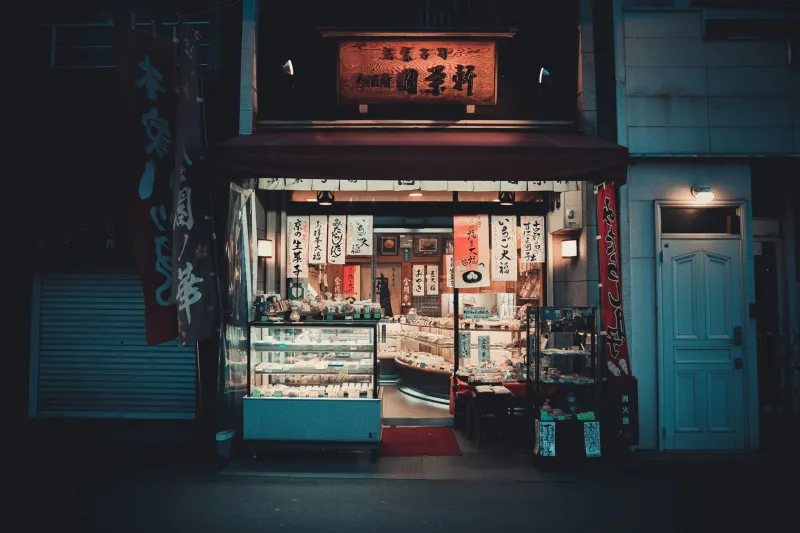
There's a running joke among serious collectors who make the pilgrimage to northern Japan: by the time IGN posts a preview, Video World Asahikawa has already sold three copies, restocked twice, and moved on to something newer. It sounds like an exaggeration. It really isn't.
Regional retailers in cities like Asahikawa occupy a strange and genuinely powerful position in the gaming ecosystem. They're not industry insiders. They don't get press kits or attend Tokyo Game Show press briefings. What they have instead is something harder to manufacture — proximity, instinct, and a customer base that treats browsing a physical store like a competitive sport.
The Supply Chain Nobody Talks About
Here's the part that surprises most American gamers when they first hear it: Japanese regional retailers often receive stock allocations on a timeline that operates completely independently of media cycles. Publishers route physical inventory through regional distributors, and those distributors — particularly ones serving cities in Hokkaido — sometimes fulfill orders ahead of urban centers simply due to logistics windows and pre-arranged purchase agreements.
What that means in practice is that a shelf in Asahikawa can have a game sitting on it before a single English-language outlet has filed a hands-on preview. The title isn't embargoed from the store. It's just... there. Waiting.
Staff at Video World Asahikawa will tell you this happens more than you'd expect. The approach isn't passive, either. Buyers here maintain direct relationships with regional wholesalers and, in some cases, communicate with smaller publishers who don't have the infrastructure to do wide simultaneous launches. When a niche title from a mid-tier developer lands quietly on a Tuesday, it tends to land here first.
What the Staff Actually Looks For
Spend any real time talking to the people who stock and organize the shelves here and you start to understand that there's a genuine curatorial intelligence at work. It's not algorithmic. Nobody's running a trending-topics audit or watching Twitch viewership numbers.
Instead, the instincts are almost entirely tactile and relational. Staff pay attention to which publishers have been quietly building catalog depth — the ones releasing three or four titles a year without much fanfare but with obvious care. They notice when a developer who previously handled ports starts shipping original work. They track which genres are seeing renewed physical production runs after years of digital-only releases.
"We get customers who come in specifically asking about things they haven't seen covered anywhere yet," one staff member explained during a recent conversation at the store. "They trust us to have found it before the internet did. That's a responsibility we take seriously."
That trust is earned incrementally, through years of being right. And in a market where gaming discourse moves fast and loud, being the quiet shop that already had the answer carries real weight.
How American Collectors Are Using This
Word has spread, particularly through collector communities on Discord servers and Reddit threads dedicated to Japanese physical media. A growing number of American gamers have essentially outsourced part of their discovery process to shops like this one.
The workflow looks something like this: a collector follows Video World Asahikawa's social posts or, if they have contacts, gets word-of-mouth tips about what's hitting shelves. They cross-reference against what's being discussed in gaming press. If something shows up here first and mainstream coverage is absent or thin, that's a signal worth acting on — either as a purchase opportunity or simply as an early indicator of what's about to break through.
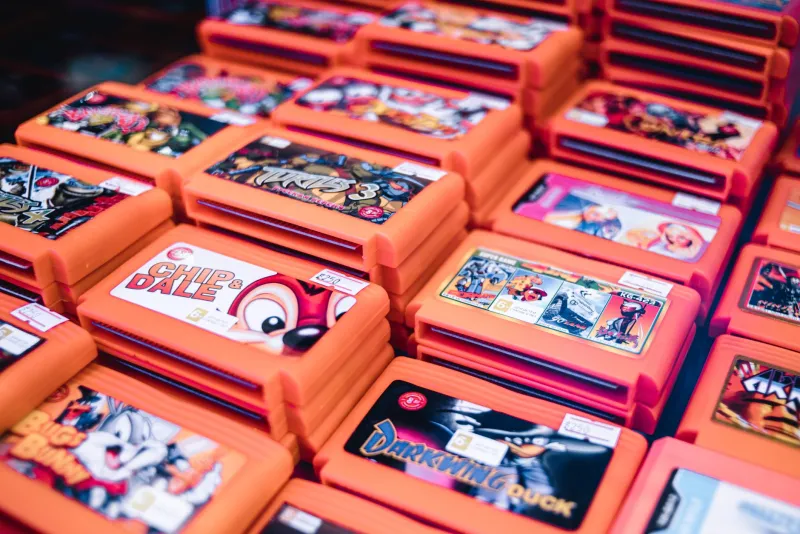
Several titles that later became cult hits in the US showed up in Asahikawa's inventory well ahead of their English-language moment. Games in genres like tactical RPGs, dungeon crawlers, and horror-adjacent adventure titles — categories that tend to find passionate audiences slowly rather than all at once — have a particular history of being discovered here before they were discovered anywhere else.
For collectors who import, the advantage is obvious. For those who play in English and wait for localization, these shops still function as a kind of futures market, helping enthusiasts know where to direct their attention and anticipation.
Why This Doesn't Work at Scale
It's worth being honest about something: the reason this early-detection advantage exists is precisely because it can't be industrialized. The moment a shop like this tries to become a formal media partner, starts chasing affiliate deals, or pivots to content creation over curation, the thing that makes it valuable begins to erode.
The intelligence here comes from being embedded in a physical, local, relationship-driven retail context. The staff know their regulars. The regulars push back, recommend, debate, and return. A game that gets quiet enthusiasm from a handful of dedicated local customers is a more meaningful signal than a title getting algorithmic promotion from a platform trying to move units.
American gaming media, for all its reach, operates in an attention economy that structurally rewards what's already loud. Regional Japanese retailers operate in the opposite environment — they're rewarded for finding what's quiet and worth amplifying before anyone else gets there.
What This Means for You
If you're a collector, an enthusiast, or just someone who's tired of hearing about games six months after the moment has passed, there's a simple takeaway here: pay attention to what regional Japanese shops are stocking.
Video World Asahikawa isn't trying to be a media outlet. But in a very real sense, it functions as one — just without the ads, the embargoes, or the incentive to hype things that don't deserve it. The shelves here don't lie. They just require knowing how to read them.
And increasingly, the most informed American gamers are learning to do exactly that.