Old Saves, New Discs: Why Japan Can't Stop Remaking Its Greatest Games—And Why That's Actually a Good Thing
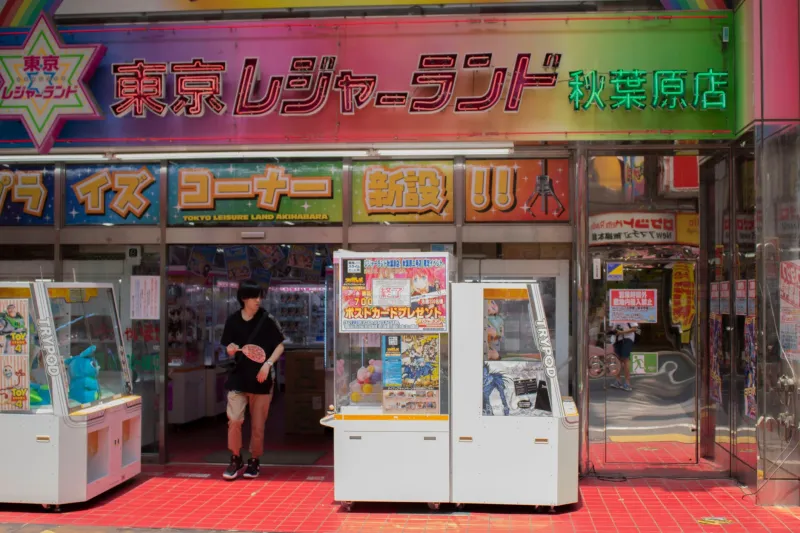
Walk into Video World Asahikawa on any given weekday and you'll notice something that might surprise American gamers: the remake and remaster section is doing serious business. Not dusty, clearance-bin business. We're talking face-out display, prominent shelf placement, and customers who clearly came in specifically for that stuff. Meanwhile, brand-new original titles—the kind that Western developers spend years hyping—sometimes sit quietly in the corner waiting to be discovered.
That contrast tells you a lot about how Japan thinks about video games. And honestly? It's worth paying attention to.
Two Industries, Two Philosophies
The Western gaming industry has spent the better part of the last decade chasing new. New franchises, new IP, new open worlds that promise to eat 200 hours of your life. Studios that lean too hard on sequels get criticized for playing it safe. Remakes, unless they're something like Resident Evil 4 or Final Fantasy VII, often get dismissed as lazy cash grabs before they even launch.
Japan operates on a fundamentally different logic. For major developers like Capcom, Square Enix, and Konami, revisiting a beloved classic isn't a fallback plan—it's a legitimate creative and commercial strategy. The philosophy seems to be: if something was great once, it deserves to be great again, properly, for a new generation. And that idea resonates deeply with Japanese consumers in a way that doesn't always translate cleanly to Western markets.
Part of this is cultural. Japan has a long tradition of honoring craftsmanship and legacy across industries—from sake breweries that have been operating for centuries to artisan workshops that treat generational continuity as a point of pride. Games aren't immune to that worldview. A title that defined a generation isn't just a product; it's part of a shared cultural memory worth preserving.
What Actually Moves Off the Shelves in Asahikawa
We asked a couple of the staff here at Video World Asahikawa which remakes and remasters actually generate real excitement versus which ones feel like obligations.
The answer was more nuanced than you'd expect. According to the team, the remakes that genuinely resonate—the ones people pre-order, come back to discuss, and occasionally buy twice (once for the rental and once to own)—tend to share a few traits. They don't just upscale visuals; they rebuild the experience from the ground up while keeping the feeling intact. They come packaged with physical extras that justify the purchase. And they're made by developers who clearly still care about the source material rather than studios licensing out a brand name.
On the flip side, remasters that simply apply a resolution bump and call it a day? Those move slower, even here. Collectors can tell the difference, and so can casual players who grew up with the originals. A coat of paint over a 20-year-old game doesn't fool anyone in Asahikawa any more than it does in Austin or Atlanta.
Interestingly, several titles that barely registered in the US have been consistent performers on local shelves. Games that never got a proper Western release the first time around—remade with modern controls and full voice acting—have found real audiences here, and occasionally those same titles develop cult followings among American importers who track down the physical editions specifically because they can't get them stateside.
The Preservation Argument Nobody Talks About Enough
Here's where the Japanese approach to remakes gets philosophically interesting in a way that the Western gaming press tends to undervalue: remakes are, in many cases, the only viable form of preservation for older titles.
Digital storefronts close. Servers go dark. Licensing agreements expire and entire catalogs vanish overnight. We've watched it happen repeatedly over the past few years. But a physical remake—a new disc manufactured with modern hardware compatibility—keeps a game accessible in a way that no streaming license or digital download can guarantee.
Japanese developers and publishers seem more attuned to this reality than their Western counterparts. When Capcom remakes a Resident Evil title, they're not just generating revenue; they're ensuring that game exists in a form that will still be playable decades from now. That's not nothing. That's actually a significant cultural contribution, even if it doesn't get framed that way in quarterly earnings calls.
At Video World Asahikawa, the physical media angle matters enormously. A well-made remake with a strong physical release extends the life of that game on our shelves indefinitely. We've got customers who specifically seek out Japanese physical editions of remakes because the packaging is more complete, the print runs are more collector-friendly, and the discs aren't going anywhere regardless of what happens to any particular digital marketplace.
So Is the West Missing Something?
It's not quite fair to say Western developers don't do remakes—Demon's Souls, Shadow of the Colossus, Metroid Prime Remastered—there are genuinely excellent examples. But the cultural weight attached to those projects feels different. They tend to be treated as anomalies rather than a natural part of how a studio maintains its legacy.
Where Japan seems to have an edge is in treating the remake as its own art form. The best Japanese remakes aren't apologies for the original or admissions that the first version was flawed. They're reinterpretations—the same story told with better tools, more confidence, and a deeper understanding of what made players fall in love in the first place.
That's a harder thing to replicate than it sounds. It requires developers to genuinely understand their own history and care about it enough to get it right. And it requires an audience willing to engage with familiar material not as nostalgia bait but as legitimate new experience.
Based on what we see here in Asahikawa, that audience absolutely exists. And increasingly, thanks to import culture and the global reach of physical media collecting, it's not just a Japanese audience anymore.
The Shelf Tells the Story
There's a reason the remake section at Video World Asahikawa sits where it does—visible, well-stocked, actively curated. It's not sentimentality. It's a reflection of what our customers actually value: games that were worth making once and are worth experiencing again, done right, on a real disc you can hold in your hands.
The West will keep chasing new IP. Japan will keep returning to its classics. And somewhere in that tension, the most interesting conversations about what games actually mean—and why we keep coming back to them—are still being had.