Playing Without Borders: The Legitimate (and Surprisingly Simple) Ways Americans Are Unlocking Japan's Exclusive Game Library
If you've ever looked up a Japanese game that never got a Western release and felt that specific frustration of knowing it exists but being locked out of it, you're in good company. The gap between what Japan's gaming market offers and what actually makes it to North America has always been significant. Publishers localize what they think will sell. A lot of stuff doesn't make the cut. And for years, American players had two choices: accept the gap or find workarounds that existed in legally murky territory.
That's changed a lot. The options available to American players who want legitimate access to Japan-exclusive titles have expanded quietly but meaningfully, and the conversation around region locking has shifted from technical workaround territory into something closer to mainstream consumer advocacy. Here's where things actually stand.
Region Locking Was Always More Business Decision Than Technical Necessity
Let's get this out of the way first: region locking was never really about technical limitations. The hardware to enforce it and the hardware to bypass it have always been roughly equivalent in complexity. Publishers used region locks primarily to control pricing across markets and to manage release windows — if Japanese consumers could easily buy American versions of games, publishers would lose leverage over regional pricing strategies.
That business logic has eroded significantly in the streaming age. Players are globally connected, aware of release disparities, and increasingly impatient with the idea that geography should determine what they're allowed to buy. Some publishers have responded by going region-free entirely. Nintendo's Switch launched without regional restrictions on physical software, which was a bigger deal than it got credit for at the time.
The Switch Changed Everything (Quietly)
Because the Switch is region-free out of the box, buying a Japanese physical cartridge and playing it on an American console is completely legitimate. No modifications required. The games run fine. The main barrier is language — many Japan-exclusive titles are entirely in Japanese — but even that's less of an obstacle than it used to be.
Translation fan communities have gotten remarkably sophisticated. Unofficial patches for Switch titles exist for some of the most sought-after exclusives, and while the legal status of those patches is genuinely complicated, actually buying the Japanese cartridge is unambiguously legitimate. You own the game. You paid for it. You're playing it on unmodified hardware.
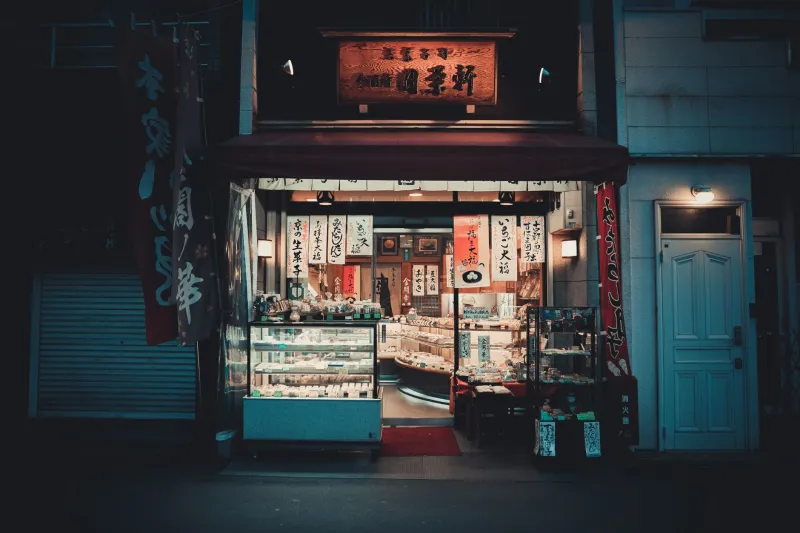
This is where shops like the ones here in Asahikawa become genuinely useful to American collectors. Physical Japanese Switch games are real, purchasable objects. They can be shipped internationally, bought through proxy services, or picked up in person if you happen to be visiting Hokkaido. The market for them is real and growing.
The Older Hardware Question
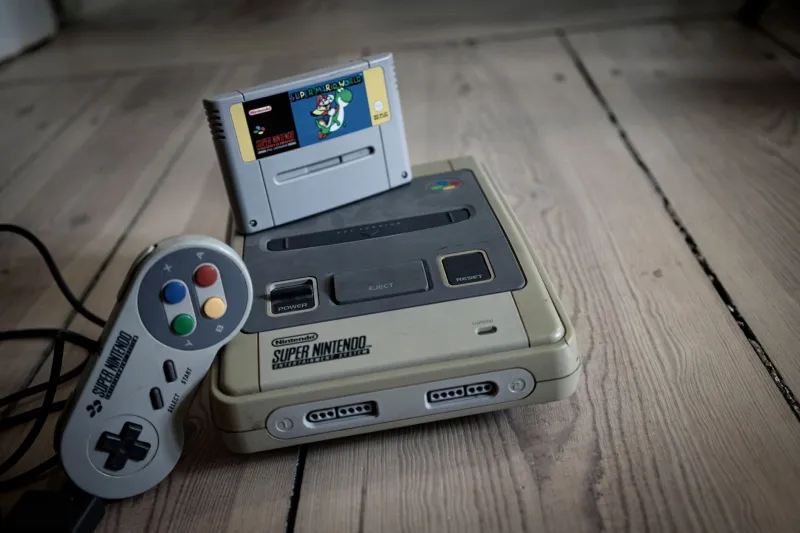
For retro platforms — PlayStation, SNES, Sega Saturn, and their kin — the situation is more complicated. Most older hardware enforced region locking at the console level, which means playing Japanese software on American hardware traditionally required either a hardware modification or a third-party adapter.
Mod chips and region-bypass hardware exist in a gray zone that varies by jurisdiction and by how the modification is performed. What's generally agreed upon is that importing and owning Japanese software for older platforms is fine. The modification question is where legal opinions diverge, and it's worth understanding that distinction clearly.
The modding community that's grown up around retro Japanese gaming is worth paying attention to. These aren't people trying to pirate anything — the games they're modding their hardware to play are physical discs and cartridges they've paid for. The argument they make, and it's a reasonable one, is that they're simply removing an artificial barrier to property they legitimately own.
What Japanese Shops Are Inadvertently Doing
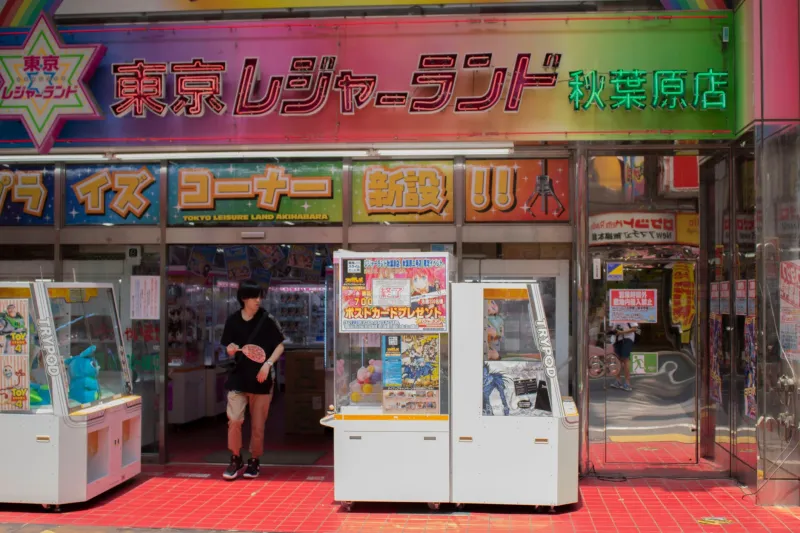
Here's the part that doesn't get talked about enough: regional Japanese retailers, including shops in smaller cities like Asahikawa, have been quietly enabling a global gaming commons just by doing what they've always done — stocking games for local customers.
When a game ships in Japan and doesn't get a Western release, physical copies of that game exist on shelves in Japanese stores. American collectors who know how to find them — through import services, proxy buyers, or direct international shipping — can access those copies. The publisher gets the sale. The collector gets the game. Nobody's pirating anything.
This is the part that frustrates some publishers but is hard to argue against ethically. If you release a product and someone pays for it, the transaction is complete. The fact that the buyer is in a different country is a logistical detail, not a moral failing.
The Titles Worth the Effort
So what's actually in Japan's exclusive library that's worth going through all of this for? The list is long, but a few categories stand out consistently.
Visual novels represent probably the largest category of Japan-exclusive content. The genre is enormous in Japan and has a dedicated but smaller Western following, which means localization investment rarely pencils out for publishers. Some of the most acclaimed titles in the genre have never been officially translated.
JRPG spinoffs and sequels are another rich vein. Franchises that are popular enough to have their mainline entries localized will sometimes leave supplementary titles — gaiden games, remasters of earlier entries, crossover titles — in Japan-only release. These are often exactly the games that the most dedicated fans of a series most want to play.
Arcade ports and rhythm games round out the list. Japan's arcade culture has produced a massive library of games that have seen home console releases in Japan but never made it West. Rhythm games especially have a complicated licensing history that makes international release genuinely difficult.
The Conversation Is Shifting
Publishers are paying attention to import demand in ways they weren't five years ago. Crowdfunding localization campaigns have succeeded for titles that publishers previously considered too niche. Digital storefronts have made regional releases easier to access through account workarounds. The market is sending a clear signal.
American players who want to engage with Japan's full gaming library have more legitimate options than ever before, and the community infrastructure around importing, translating, and preserving these titles has never been stronger. The borders are still technically there. They're just a lot easier to cross than they used to be.