From Asahikawa to the Multiplex: How Anime Films Stopped Being a Niche and Started Filling Seats
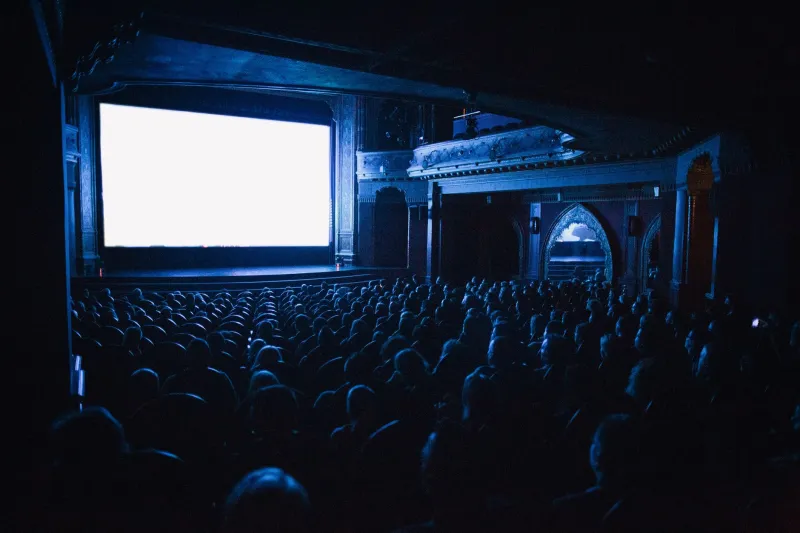
There's a moment that sticks with Kenji, one of our longtime regulars here at Video World Asahikawa, when he knew something had changed. He was visiting family in Portland, Oregon, and wandered into a mid-size cinema on a Tuesday afternoon. The marquee listed a Studio Ghibli retrospective screening alongside the usual blockbusters. The Ghibli show was sold out. The Marvel film two doors down had open seats.
"I just stood there for a second," he told us, laughing. "I thought — okay, America finally figured it out."
That moment isn't a one-off anecdote. It's a data point in a much bigger story about how Japanese animated cinema has quietly, then suddenly, become a genuine force in American mainstream entertainment.
The Shelf That Knew Before the Algorithm Did
If you've ever browsed the anime section at a store like ours, you already know that the gatekeeping happened years ago — on the customer side, not the industry side. Collectors and casual fans alike have been hunting down import titles, tracking limited theatrical runs, and pre-ordering physical media for decades. The passion was always there. What changed is where it's showing up.
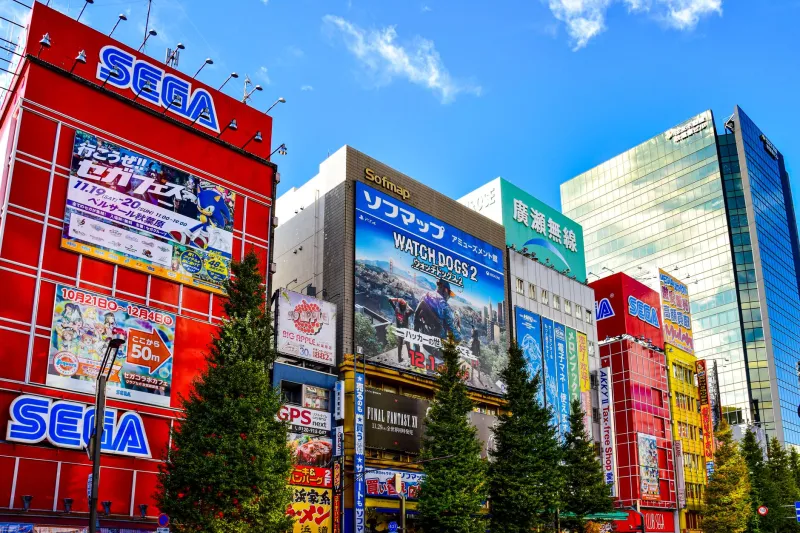
Asahikawa has a genuinely robust anime and manga culture. This isn't Tokyo with its Akihabara spectacle, but that's kind of the point. Here, fandom is woven into everyday life. Kids grow up reading manga at the library. Families rent anime films the same way American households once rented Disney VHS tapes. The enthusiasm is less performative and more habitual — and that kind of deep, sustained engagement tends to predict where mainstream culture is heading.
Our staff have watched international demand shift in real time. Titles that used to sit quietly on the shelf waiting for dedicated fans started moving faster. Then streaming platforms picked them up. Then American distributors came knocking for theatrical rights.
"We noticed Demon Slayer first," says Rina, who manages our anime and manga inventory. "It was already huge here, obviously, but the questions we started getting from international customers — online orders, people visiting from the US — that volume jumped. We knew it wasn't staying niche for long."
She was right. Demon Slayer: Mugen Train became the highest-grossing film in Japanese box office history when it released in 2020, and when it hit American theaters in 2021, it opened to over $21 million in its first weekend — extraordinary numbers for a subtitled anime feature.
What Changed in American Audiences
It would be easy to credit a single platform or a single film, but the reality is messier and more interesting than that. A few forces converged over the past decade to shift American viewer habits.
First, streaming normalized subtitles. A generation of Americans grew up watching Naruto, Attack on Titan, and One Piece in both dubbed and subbed formats on Crunchyroll, Netflix, and Funimation. The friction of reading subtitles — once cited as the main barrier to anime crossover — basically dissolved.
Second, social media collapsed the discovery gap. A standout scene from Your Name or a breathtaking sequence from Jujutsu Kaisen 0 could go viral in the US the same week it was discussed in Asahikawa. Geography stopped being a filter.
Third — and this is the one that gets underestimated — the storytelling quality of anime films has simply been undeniable. These aren't supplementary products for existing fans. Films like Belle, Weathering with You, and the entire Ghibli catalog are genuinely great cinema by any standard. When American critics started saying that out loud, casual moviegoers started listening.
The Titles That Surprised Even Us
We asked around the store about which anime films caught people off guard with their American crossover appeal. The answers were telling.
Rina pointed to The First Slam Dunk, the 2022 basketball anime film that became a phenomenon in Japan and performed remarkably well in limited US theatrical runs. "Basketball is so American," she said. "But I don't think anyone predicted that film would resonate the way it did. It's not a simple sports movie — it's emotionally complex. And US audiences went for it anyway."
Kenji mentioned Inu-Oh, the musical anime by Masaaki Yuasa, which found an audience in American arthouse cinemas. "That one felt impossible to export," he admitted. "It's rooted in medieval Japanese performance art. But people who love music films connected with it immediately. It reminded me that good stories don't actually need translation — they just need a chance."
From our own sales and rental data here at Video World Asahikawa, we've seen a consistent pattern: films that get even a small theatrical push in the US drive a significant spike in physical media interest here. American fans who catch an anime film in theaters often want the home release, the art book, the soundtrack. They want the full experience. That's collector behavior — and it mirrors exactly what we see from our most dedicated local customers.
What This Means for the Future
The theatrical success of anime in America isn't a fluke, and it's not going away. Major US distributors — GKIDS, Crunchyroll Films, Sony Pictures Classics — have built entire release strategies around anime features. AMC and Regal now regularly schedule limited runs for new Japanese releases. That infrastructure didn't exist ten years ago.
What's interesting, from where we sit in Asahikawa, is that the conversation has flipped. American entertainment industry observers used to ask whether anime could "cross over." Now the question is which titles are next, and how wide a release they'll get.
For fans who've been here all along — the collectors, the rental regulars, the people who've been recommending Spirited Away to skeptical friends since 2002 — there's a particular satisfaction in watching the mainstream catch up. It's not smug. It's more like relief. These stories deserved the audience they're finally getting.
Here at Video World Asahikawa, we're keeping our shelves stocked and our recommendations ready. Whether you're a first-timer who just saw your first anime film at a US multiplex and wants to go deeper, or a longtime fan hunting for something you haven't seen yet — there's always more to find. That's the thing about a culture this rich. The mainstream moment is the beginning, not the end.