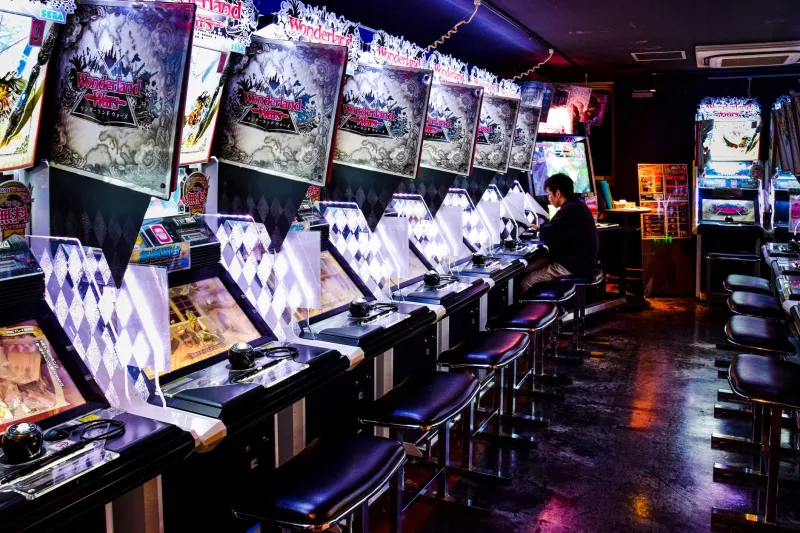
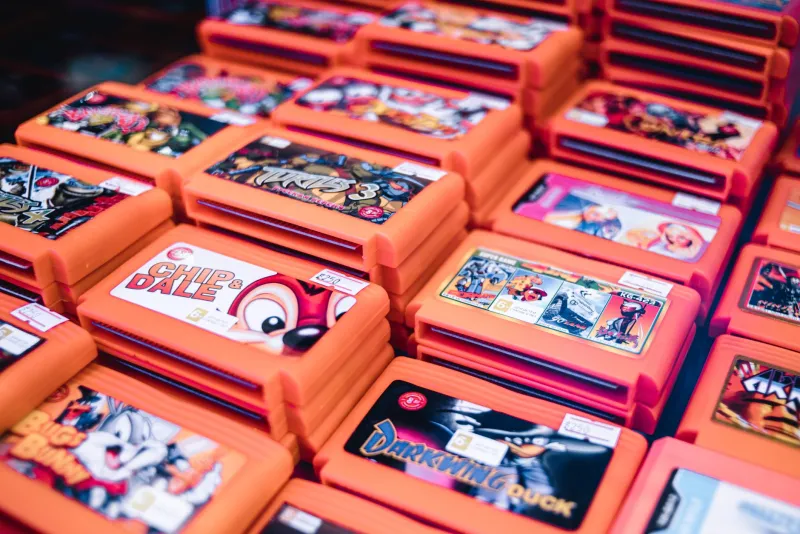
Northern Roots, Global Reach: How Asahikawa Quietly Built One of Gaming's Most Devoted Fan Ecosystems
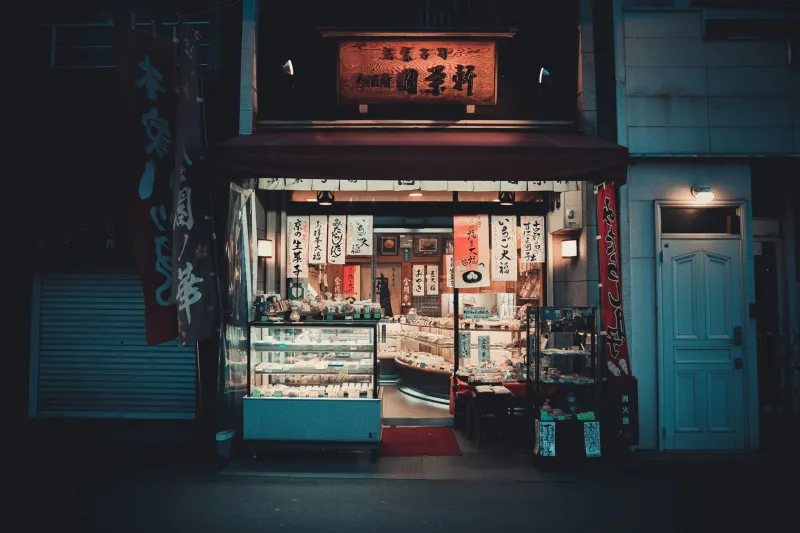
There's a running joke among hardcore import collectors that the best gaming finds don't come from Tokyo's Akihabara or Osaka's Den Den Town. They come from places most people couldn't point to on a map. Asahikawa — Hokkaido's second-largest city, sitting about 90 miles north of Sapporo — keeps coming up in those conversations. Not because anyone planned it that way, but because something genuinely unusual has taken root here.
Over the past decade or so, a loose but passionate network of collectors, streamers, retro hunters, and gaming historians has quietly converged around what this city has to offer. The question worth asking is: how does a mid-sized Japanese city in the middle of a northern island become a pilgrimage destination for gaming culture?
The Store Ecosystem Nobody Talks About (Until They've Been)
Walk into any of the physical media shops in Asahikawa and you'll notice something immediately — the curation feels different. It's not the overwhelming density of a Tokyo superstore or the tourist-facing polish of a Kyoto boutique. The inventory here reflects what actual local players have bought, traded, and left behind over decades. That means you're more likely to find a legitimately obscure Super Famicom RPG tucked between sports titles than you are to find a shelf staged for Instagram.
For American collectors especially, that kind of organic inventory is the holy grail. Back home, even the best retro game shops have largely been picked clean by resellers armed with pricing apps. In Asahikawa, the secondary market still functions more like it did everywhere in the early 2000s — which is to say, unpredictably and generously. People bring in collections. Stores price things based on local demand, not international eBay trends. That gap is exactly where the finds live.
Several shops in the city have developed reputations within collector forums and Discord servers for stocking deep-cut titles that rarely surface elsewhere. We're talking about strategy games that never left Japan, visual novels with dedicated Western fan translation communities, and soundtrack discs that audiophiles have been hunting for years. The stores themselves might not even know they're famous — but the people flying in from Seattle and Chicago certainly do.
Events That Built Something Real
Asahikawa's gaming culture isn't just about what's on the shelves. The city has a recurring circuit of local gaming events, swap meets, and informal tournaments that have given the community its connective tissue. These aren't polished esports productions. They're the kind of gatherings where a retired salaryman shows up with a bag of Famicom carts, a college student is running a portable fighting game bracket in the corner, and someone's dad is explaining the plot of a 1994 JRPG to anyone willing to listen.
That informal energy is precisely what Western visitors find so compelling. American gaming culture has largely bifurcated into either hyper-competitive esports or nostalgia-driven content creation. The middle ground — just people who genuinely love games, gathered in a room, trading knowledge and media — has gotten harder to find stateside. Asahikawa's scene preserves that middle ground almost by accident.
Some of these local events have even started attracting participants from abroad, with a handful of American and European collectors making the trip specifically to attend. A few of those visitors have documented their experiences on YouTube and Twitch, which has only amplified the city's profile within international gaming circles.
The Distribution Quirk That Made Collectors Pay Attention
Here's something most people outside Japan don't fully appreciate: regional distribution in Japan is not uniform. Publishers and distributors have historically allocated physical stock differently depending on geography, local retailer relationships, and projected regional demand. Hokkaido, as a large and somewhat isolated island market, has often received inventory patterns that diverge from the Kanto or Kansai regions.
What that means practically is that certain titles — particularly limited print runs, regional promotions, and retailer-exclusive bundles — ended up concentrated in Hokkaido stores in ways that weren't replicated elsewhere. Asahikawa, as the island's second city, has been a beneficiary of this dynamic. Collectors who understand Japanese distribution history know to look here for things that simply don't show up in Tokyo.
This isn't folklore. It's documented in collector forums and has been independently verified by enough people making the trip that it's become accepted knowledge within serious import communities. The city functions, in a sense, as a kind of time capsule for a specific slice of Japanese gaming retail history.
Why This Matters to American Gamers
If you're a casual player who mostly streams or buys digital, Asahikawa's appeal might seem abstract. But for a growing segment of American gamers — the ones who care about physical media, gaming history, and the cultural context of the games they love — this city represents something genuinely hard to find: an authentic, unmediated connection to gaming's past.
There's also a community dimension that's hard to overstate. The collector networks that have grown up around Asahikawa's retail ecosystem have produced real friendships, collaborative translation projects, fan restoration efforts, and historical documentation work that benefits everyone who loves games. Several fan wikis covering obscure Japanese titles trace their origins back to knowledge shared by people who first connected through Asahikawa-adjacent collector channels.
In an era when gaming discourse is dominated by release-day hype cycles and algorithmic recommendation engines, having a community rooted in physical discovery and genuine expertise feels increasingly rare and valuable.
The Pilgrimage Is Real — and Growing
We've seen it firsthand here at Video World Asahikawa. The customers making their way through our doors aren't just locals anymore. They're enthusiasts from across the Pacific who've done their homework, built their itineraries around what's available here, and arrived with genuine passion for the medium. Some of them know more about specific corners of Japanese gaming history than most people who grew up here.
That's not a coincidence. It's the product of years of community-building, knowledge-sharing, and a retail ecosystem that has, mostly by accident, preserved something worth preserving.
Asahikawa didn't set out to become a cult destination for gaming culture. It just kept being itself — stocking shelves honestly, hosting events without pretension, and letting the games speak for themselves. Turns out, that's exactly what the world needed.