Why Asahikawa Keeps Showing Up First: The City That Games Publishers Use as a Secret Launch Pad
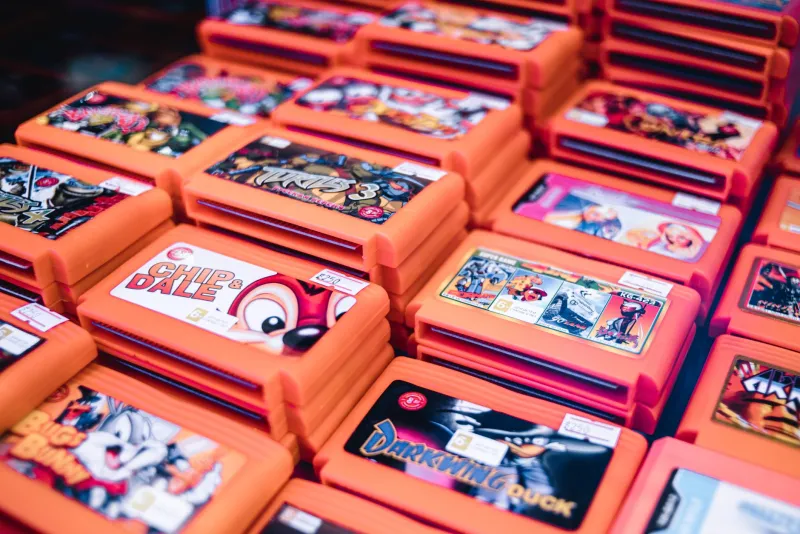
If you follow the physical game collecting scene closely enough, you've probably noticed a pattern. Someone posts an unboxing on Reddit or X — a region-specific variant, a limited foil cover, a bonus disc tucked into a collector's edition — and when you trace it back to its origin, it came out of a small store in Hokkaido. Not Sapporo. Not Tokyo. Asahikawa.
This isn't a coincidence, and it's not just luck. There's a real reason why this city keeps turning up at the front of the line, and once you understand it, the whole landscape of Japanese limited edition game releases starts to make a lot more sense.
The Quiet Logic Behind Regional Test Launches
Publishers — both Japanese and international — have long used specific regional markets to test how limited runs perform before committing to wider distribution. The logic is pretty straightforward: you want a market that's enthusiastic enough to give you real data, but contained enough that a misfire doesn't become a PR disaster.
Asahikawa checks a lot of those boxes. It's Japan's second-largest city in Hokkaido, with a dedicated consumer base that skews toward physical media in a way that even Tokyo doesn't always match. Locals here still buy games in boxes. They read the inserts. They care about the packaging. That kind of engaged buyer gives publishers cleaner feedback than a mass-market drop in a major metro.
According to staff here at Video World Asahikawa, we've seen this play out more times than we can count. A title arrives with a regional obi strip, a slightly different cover layout, or a bonus soundtrack disc that never made it into the standard international edition. It sits on our shelves. Collectors find it. And then, a few months later, Western fans are scrambling to track down something they didn't even know existed until the window had already closed.
What the Publishers Aren't Saying Out Loud
None of this is formally announced, which is part of what makes it so interesting — and so frustrating if you're a collector trying to stay ahead of the curve. Publishers don't hold press conferences to say "we're soft-launching this variant in Asahikawa first." It just shows up. The inventory appears. And if it moves well, that information quietly influences what gets greenlit for broader release.
Retailers in the region have started to recognize the pattern, too. When a shipment arrives with quantities that don't quite match standard restocking logic — say, a few dozen copies of something that hasn't been officially announced yet — that's usually a signal. It might be a test run. It might be overflow from a regional deal. Either way, it tends to be worth paying attention to.
We've had American collectors reach out to us specifically because they'd heard through online communities that certain editions had shown up here before anywhere else. Some of them were right. A few came to Asahikawa specifically to shop — which is a wild thing to think about, but it's happening.
The Collector's Window: How to Stay Ahead of It
So what does this actually mean if you're a US-based collector who wants to get in on these releases before they either sell out or get marked up to absurd levels on the secondary market?
A few things worth knowing:
First, watch the Japanese retail listings. Sites like Surugaya, Mercari Japan, and even Yahoo Auctions JP often see Asahikawa-region stock appear before it shows up anywhere else. If you're seeing listings for a variant you haven't heard about, it's worth investigating where those sellers are located.
Second, follow regional Japanese gaming communities. There are Hokkaido-based collectors who document new arrivals on social media — often in Japanese, but image posts don't require translation. A photo of a shelf with unfamiliar packaging is a photo of a shelf with unfamiliar packaging, regardless of the caption.
Third, build relationships with stores that actually communicate. This is a pitch for us, sure, but it's also just practical advice. Stores that are plugged into regional distribution networks know things that aggregator sites don't. If you've got a contact at a physical location in Asahikawa, you've got a better shot at knowing what's coming before it's gone.
What's Sitting in Warehouses Right Now
We're going to be a little careful here, because inventory specifics can shift fast and we don't want to send anyone on a wild goose chase. But here's what we can say: there are currently editions of several upcoming titles — across both RPG and action genres — that have arrived in regional distribution with packaging that doesn't match what's been shown in Western marketing materials. Whether those differences are cosmetic or substantive is something collectors will have to judge for themselves once they see them.
There's also a rhythm to when these things appear. Holiday-adjacent windows — late October through early December — tend to be when regional variant stock gets quietly placed ahead of wider release schedules. If you're planning to dig into the Japanese import scene, that's your best hunting season.
Why This Matters Beyond the Collectible
It's easy to frame all of this as a niche concern — something that only matters to the kind of person who has a spreadsheet tracking regional release variants. And sure, that person exists, and they're probably already three steps ahead of this article.
But there's a bigger story here about how physical game culture survives and even thrives in specific pockets of the world. Asahikawa isn't just a quirky footnote in gaming geography. It's an example of what happens when a community genuinely values physical media, when local retailers maintain real relationships with distributors, and when the act of walking into a store and picking something up off a shelf still means something.
For American collectors who grew up with that same feeling — the specific joy of finding something unexpected in a store bin — Asahikawa represents a version of that culture that hasn't been fully replaced by digital convenience. And that's worth paying attention to, even if you never get on a plane to Hokkaido.
We'll keep watching the shelves. We always do.