Tape Fever: How Japanese Rental Store Liquidations Became the Hottest Auction Battlefield for American VHS Collectors
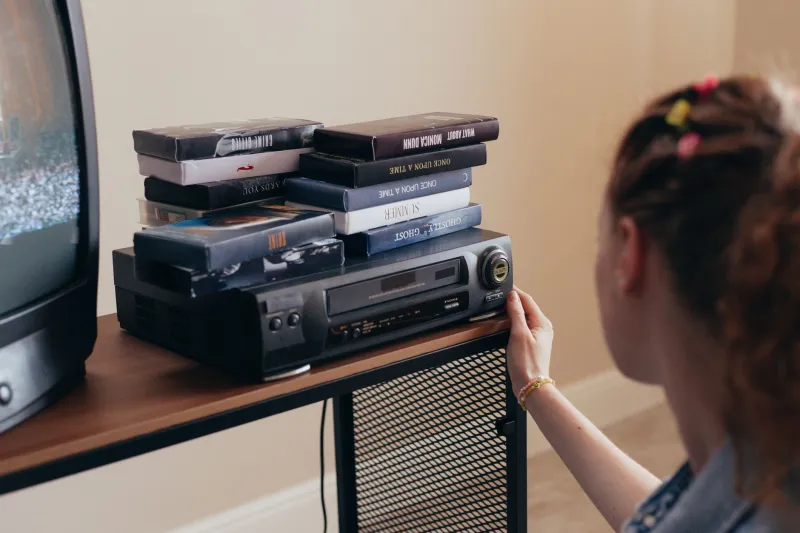
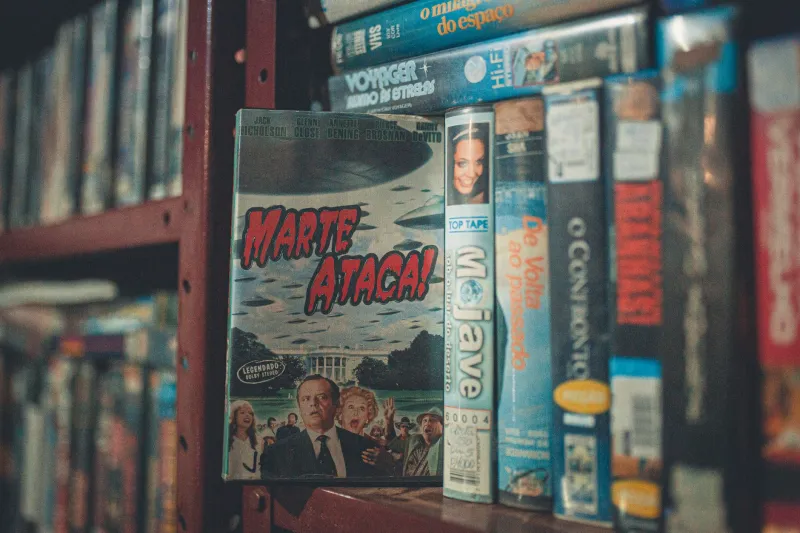
There's a certain kind of chaos that happens when a Japanese video rental shop closes its doors for the last time. The staff hauls out the shelving units. The membership card holders stop coming. And then, quietly, the inventory — hundreds or sometimes thousands of VHS tapes — gets bundled up and sold off in liquidation lots. For most locals, that's just the end of an era. For a growing crowd of American collectors, it's a starting gun.
Over the past few years, bidding wars over these clearance lots have been getting louder and more expensive. Buyers from California, Texas, New York, and everywhere in between are competing — sometimes against each other, sometimes against Japanese resellers — for boxes of tapes they may not even be able to play without a region-compatible deck. So what exactly is going on here, and why does a dusty rental copy of a 1989 Japanese fantasy film suddenly feel like buried treasure?
The Nostalgia Equation Doesn't Quite Add Up — and That's the Point
Here's the thing about the VHS revival: it doesn't follow the logic you'd expect. Millennials get it — they grew up rewinding tapes and tolerating tracking issues. But Gen Z collectors, people who were born after DVD was already mainstream, are just as deep into the format, maybe deeper. For them, VHS isn't about remembering. It's about discovering something that feels genuinely outside the algorithmic feed.
Streaming has made almost everything instantly accessible, but that accessibility has also flattened the experience. You scroll, you pick, you half-watch. A VHS tape from a shuttered Asahikawa rental store doesn't work like that. It demands a little effort — finding a compatible player, figuring out what's actually on the label, sitting with the picture quality that's slightly worse than you'd like. Collectors describe this friction not as a bug but as the whole point.
"There's intention behind it," one collector from Portland told us over email. "When I put in a tape, I've already committed. There's no algorithm suggesting something better. It's just me and whatever this thing is."
Why Japanese Rental Shops Specifically
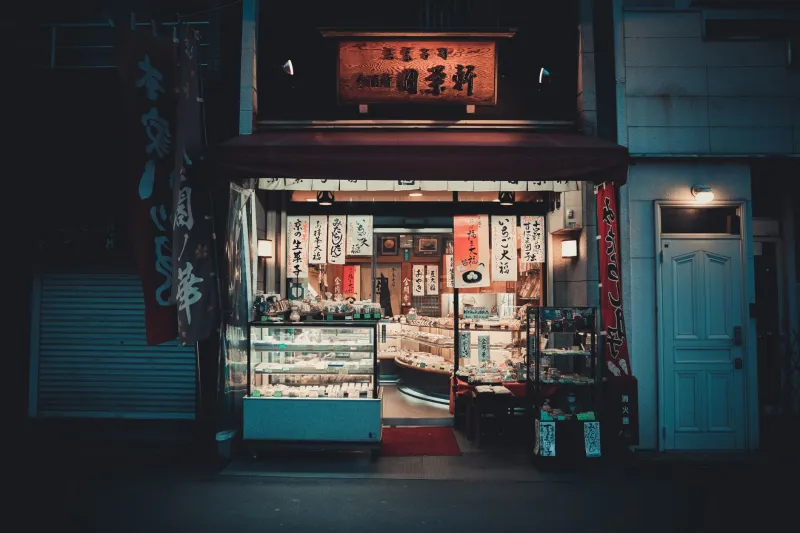
American rental culture has been dead long enough that domestic liquidations are mostly picked over. Blockbuster nostalgia is real, but there's only so much inventory left to find stateside. Japan, on the other hand, held onto its rental shop culture significantly longer. Smaller cities especially — places like Asahikawa, up in Hokkaido — maintained these stores well into the 2010s, and a handful held on even longer than that.
That extended lifespan means the tapes that survived in these shops are often in remarkable condition. Japanese rental culture was famously meticulous about returns and storage. The cases are clean. The tapes were rewound. Some of them look like they were barely touched.
But condition isn't even the main draw. The real prize is the content. Japanese rental shops stocked titles that never made it to American shelves in any format — regional horror films, obscure anime OVAs, foreign imports that were dubbed or subtitled specifically for the Japanese market, and sometimes oddities that defy easy categorization. American collectors have started treating these lots like archaeological digs, not knowing exactly what they'll find until the box arrives and they start going through it tape by tape.
The Bidding Wars Are Getting Serious
Proxy bidding services, buying agents, and Japan-based resellers have all gotten wise to the demand. What used to be lots selling for a few hundred yen per tape have started climbing. Certain genres — kaidan horror, tokusatsu, early anime features — can push individual tapes past prices that would have seemed absurd five years ago.
Collectors have developed a loose hierarchy of desirability. At the top are tapes that contain content never officially released on DVD or Blu-ray anywhere in the world. Below that are regional variants — versions of films that were re-edited or re-dubbed specifically for Japanese audiences. Then there are the sleeper picks: titles that look unremarkable on the label but turn out to be something genuinely rare or strange once you actually watch them.
One collector from Chicago described spending three weeks tracking down a specific lot from a closed shop in northern Japan, only to be outbid in the final minutes by someone he suspects was a professional reseller. "I was devastated," he said. "And then I immediately started looking for the next one."
Asahikawa as Unlikely Ground Zero
Asahikawa isn't a city that typically shows up in conversations about international media collecting. It's a mid-sized city in Hokkaido known more for its winters and its ramen than for anything entertainment-related. But its rental shop history is genuine and deep, and the transition away from physical rental has been gradual enough that inventory is still surfacing in meaningful quantities.
Here at Video World Asahikawa, we've watched this shift happen in real time. Customers who used to come in looking for new releases are now just as likely to be hunting for older stock, and the international interest in what's sitting in regional shops has grown noticeably. It's strange and kind of wonderful to see a format that many people assumed was completely dead generate this much energy.
The tapes themselves are just plastic and magnetic tape. But they carry something that digital files don't — a physical record of what people in a specific place wanted to watch at a specific moment in time. When a rental shop closes and its inventory scatters, those records disperse. American collectors are, in their own chaotic way, trying to catch them before they disappear entirely.
What This Means Going Forward
The VHS market isn't going to keep climbing forever — no collecting bubble does. But the underlying interest feels like more than a trend. There's a genuine hunger for media experiences that exist outside the stream, and Japanese rental shop liquidations happen to be one of the few places left where that hunger can be satisfied with something genuinely new.
For collectors willing to put in the work — learning to navigate Japanese auction platforms, building relationships with local buying agents, or just getting lucky on a well-timed search — the rewards are still very real. The tapes are still out there. The shops are still closing. And the next lot might be the one that has something nobody's seen in thirty years.