What the Algorithm Forgot: How a Japanese Rental Shop Outsmarts Netflix at Its Own Game
Somewhere between the fourth time Netflix asked if you were "still watching" and the twentieth time you scrolled past the same ten thumbnails without picking anything, something quietly broke. The promise of streaming — all the content, all the time, perfectly matched to your taste — started feeling less like liberation and more like standing in the cereal aisle of a Walmart after eating too much sugar. Too much. Not enough.
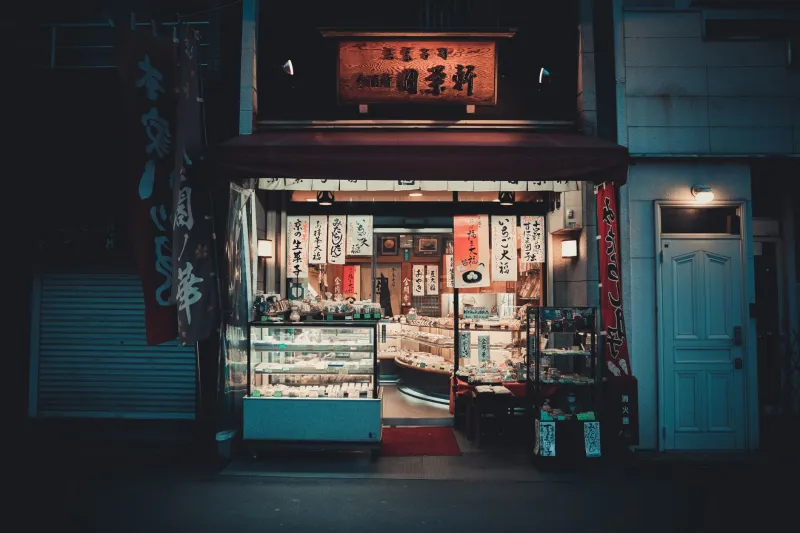
Meanwhile, about 5,000 miles away in Asahikawa, Hokkaido's second-largest city and home to Video World Asahikawa, people have been doing something that sounds almost rebellious by 2024 standards: walking into a store, picking up a physical case, reading the back, and deciding on the spot.
It sounds simple. It kind of is. And that might be exactly the point.
The Friction Was Never the Problem
When streaming platforms were first pitching themselves to a skeptical public, "friction" was the enemy. Every extra click, every drive to the video store, every rewind fee — all of it was framed as waste. Remove the friction, the logic went, and people would watch more, enjoy more, feel more satisfied.
But here's what got lost in that pitch: friction was also the mechanism through which discovery happened.
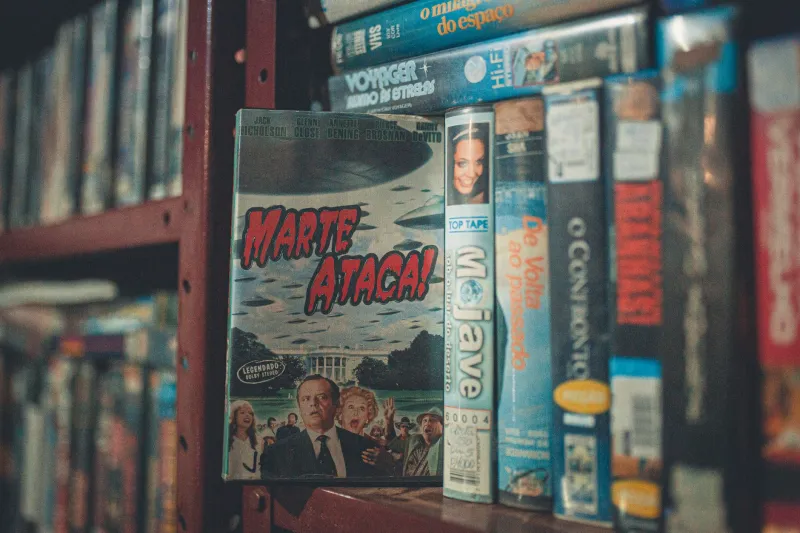
When you walked into a rental store in the '90s, you didn't just grab what the system recommended. You wandered. You noticed a cover that looked weird. You flipped it over. You read a quote from a critic you'd never heard of. Maybe the person behind the counter said, "Oh, you liked that one? You have to see this." That small, slightly inefficient process produced discoveries that felt genuinely personal — because they were.
At Video World Asahikawa, that process is still running. And the staff here will tell you it works in ways that no recommendation engine has quite replicated.
"People come in looking for one thing and leave with three," says one of our floor staff who has worked the rental section for years. "Not because we pushed them toward it. Because they saw something next to what they wanted, and it made them curious."
Adjacency. Context. Serendipity. These are things algorithms are surprisingly bad at, despite billions of dollars in R&D trying to crack them.
What the Rental Numbers Actually Show
Look at the titles that move fastest off our shelves here in Asahikawa, and you'll notice a pattern that streaming data tends to obscure. Mid-tier films — not blockbusters, not prestige awards bait — consistently punch above their weight in a physical rental environment.
Think about the kind of movie that gets buried on a streaming platform within two weeks of release. A solid genre thriller. A quiet drama from a director with one cult hit to their name. A foreign-language film that got a single glowing review in a publication most people don't read. On Netflix, that movie exists as a thumbnail in a row you scroll past. In a store, it sits at eye level next to a title you actually came in for. The physical proximity does what the algorithm cannot: it gives the underdog a fair shot.
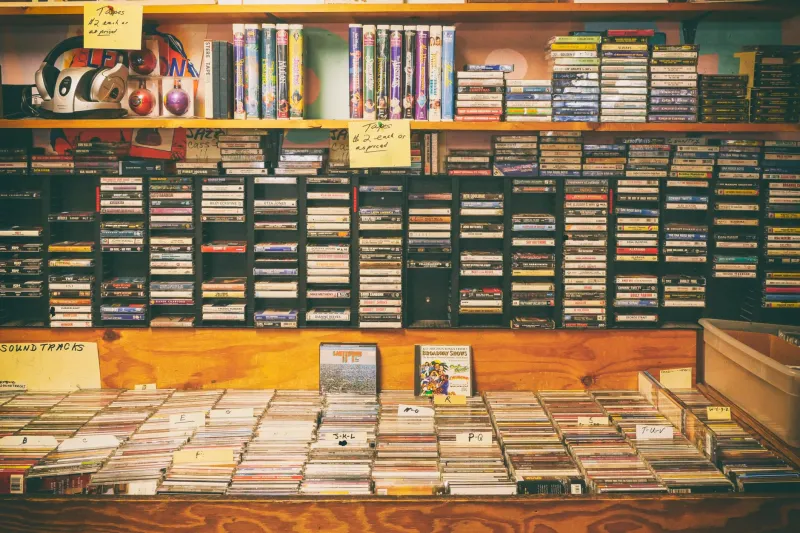
Rental velocity data from stores like ours in Japan has shown, repeatedly, that catalog depth matters differently in physical retail than it does on streaming. On a platform, depth is almost invisible — users don't browse to page forty of a genre category. In a store, depth is the whole experience. The back wall is the point.
American consumers are increasingly waking up to this gap. Disc sales and rental interest have been ticking upward in the US for the past few years, driven in part by a generation that's nostalgic for the discovery model and a younger cohort that's genuinely curious about what they've been missing.
The Personalization Illusion
Here's a question worth sitting with: when was the last time a streaming recommendation genuinely surprised you?
Not "oh, that's pretty good" surprised you. Actually surprised you — showed you something you had no framework for wanting, that turned out to be exactly what you needed.
Algorithmic recommendations are, by design, backward-looking. They extrapolate from what you've already watched. They optimize for completion rates and engagement metrics. They are extraordinarily good at giving you more of what you already like.
What they're not built for is the left turn. The unexpected genre crossover. The film from 1978 that has nothing in common with your recent watch history but happens to be exactly the right movie for a rainy Tuesday in November.
The staff at Video World Asahikawa make those calls constantly. It's intuition built from years of watching what people pick up, what they return raving about, what they hesitantly describe and then look relieved when someone knows exactly what they mean. That kind of intelligence doesn't live in a data warehouse. It lives in people.
"Someone described a movie to me last week — they couldn't remember the title, just that it had a red umbrella on the cover and something happened on a train," one of our team members recalled. "We figured it out in about three minutes. That's not something a search bar does well."
Why Asahikawa Specifically?
It's worth asking why a mid-sized city in northern Japan has become something of a reference point for conversations about physical media culture. Part of it is practical: Asahikawa's winters are long and serious, and a culture of indoor entertainment has always had strong roots here. Part of it is demographic — the city has a loyal, multigenerational customer base that never fully converted to streaming-only habits.
But there's also something about the pace of the city that fits the model. Asahikawa isn't rushing toward anything. It's not trying to be Tokyo. That lack of urgency creates space for a slower, more deliberate relationship with entertainment — one where choosing a movie for the evening is itself a small, satisfying ritual rather than a problem to be optimized away.
For American audiences burned out on the churn of streaming content drops, platform exclusives, and subscription fee creep, that slower relationship sounds increasingly appealing. Not as nostalgia, exactly. More like a correction.
The Takeaway for Streaming-Tired Americans
Nobody's seriously arguing that streaming should disappear. The convenience is real and the library depth, when platforms actually invest in it, can be remarkable. But the discovery problem is also real, and it's not getting better. The platforms know what you've watched. They don't know who you are.
What Video World Asahikawa represents — and what rental culture in Japan has quietly preserved — is a model where discovery is the product, not a byproduct. Where the experience of choosing is part of the value, not an inconvenience to be eliminated.
The algorithm forgot that people don't just want to watch things. They want to find things. Those are different experiences, and only one of them leaves you feeling like the movie was actually yours.
Come by the store sometime. We'll point you toward something good. We promise it won't be what you expected.