Skip Tokyo, Head North: Why Serious Collectors Are Raiding Regional Japanese Cities for Media Gold
There's a moment every serious collector knows. You've done your homework, flown halfway around the world, walked into the famous shop you've been following on Instagram for two years — and the shelves are picked clean. Not empty in a "bad store" way. Empty in a "ten thousand people had the same idea before you" way.
That's what Tokyo does to you eventually. Osaka too. These cities are incredible, but the word is out, the foot traffic is relentless, and the truly rare stuff moves fast. Meanwhile, about 800 miles north of Tokyo, cities like Asahikawa are sitting on inventory that never made it onto anyone's radar — and the collectors who figured this out first aren't exactly rushing to share the secret.
We're going to share it anyway.
Why Regional Cities Stock Differently in the First Place
This isn't an accident. The economics of Japanese retail in smaller cities create conditions that are genuinely unlike anything you'll find in a major metro. Understanding why requires a quick look at how media distribution and local buying culture actually work.
In major Japanese cities, entertainment retail is hypercompetitive. Stores turn inventory fast because they have to. Rent is high, floor space is premium, and the customer base is enormous and demanding. Anything with collector value gets priced accordingly — and gets bought quickly by locals who know exactly what they're looking at.
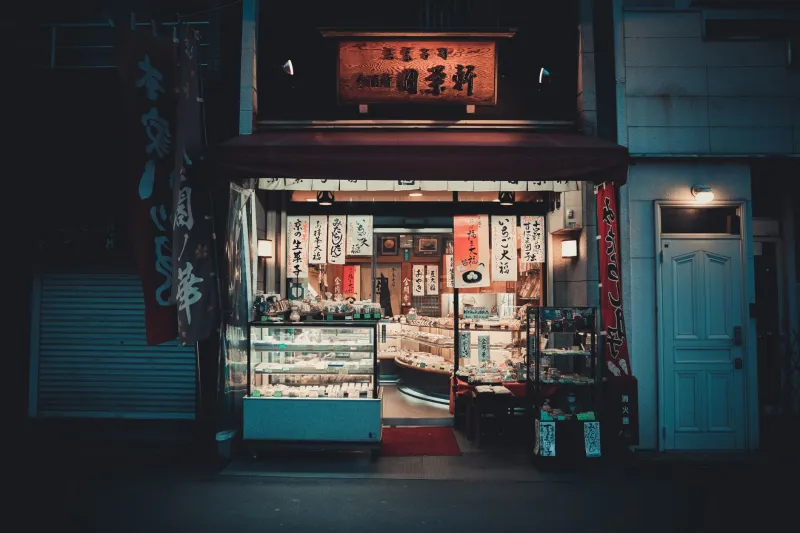
Regional cities operate on different rhythms. Asahikawa, Hokkaido's second-largest city, has a strong local economy and a population that genuinely engages with entertainment media. But the collector market pressure is softer. Stores here weren't getting waves of international buyers in the 2000s and 2010s the way Akihabara was. That means stuff sat. Limited editions, regional exclusives, game soundtracks, physical media that was never widely exported — it accumulated on shelves and in back-room stock at a pace that a major Tokyo retailer would never tolerate.
The turnover model is simply slower, and for collectors, slow turnover is everything.
The "Local Taste" Factor Nobody Talks About
Here's something else worth understanding: regional Japanese cities don't just stock differently because of economics. They stock differently because their customers want different things.
Asahikawa has its own cultural identity. Hokkaido as a whole has a distinct regional character — frontier history, outdoor culture, a population that tends to skew toward certain genres of games, anime, and film. Local retailers respond to that. You'll find genres and titles stocked in depth here that a Tokyo store might carry only a handful of copies of, simply because the local demand pattern is different.
For Western collectors, this is actually great news. It means the inventory isn't just older — it's different. You're not looking at the same pool of titles that every other collector-focused store in Japan carries. You're looking at a regional snapshot of Japanese media consumption that reflects a specific community's tastes over decades.
That's not just interesting. That's genuinely rare.
What Collectors Are Actually Finding
So what does this look like in practice? The categories that keep coming up among collectors who've made the regional Japan circuit are pretty consistent.
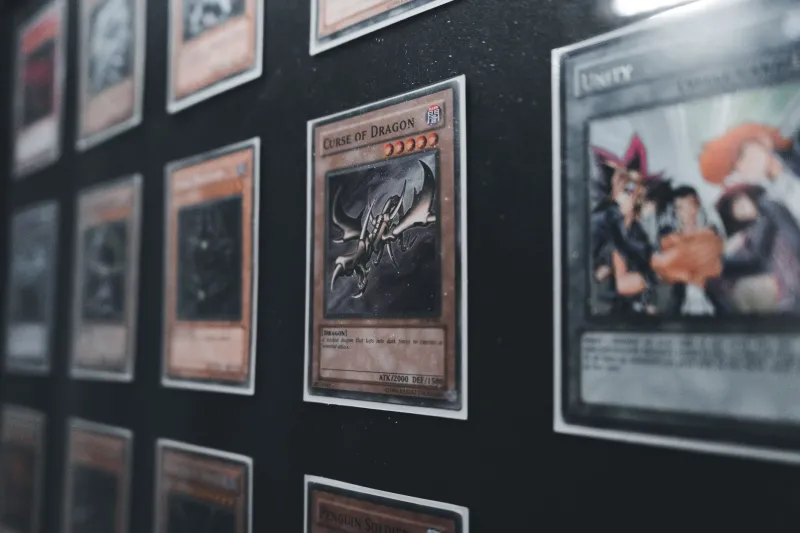
Physical game media is the big one. Cartridges and discs for platforms that are long out of production, including titles that were never localized for Western markets, show up in regional stores at prices that would make your average eBay seller weep. The condition tends to be good, too — Hokkaido's climate is cold and dry, which is genuinely better for long-term media preservation than the humid summers of central Japan.
Anime and film box sets are another consistent find. Japan's domestic home video market produced editions with packaging, booklets, and supplementary materials that the international releases stripped out entirely. These sets were expensive when new, which means they were bought by dedicated fans in smaller numbers — and those fans eventually moved, downsized, or traded them in to local shops that didn't necessarily know what they had.
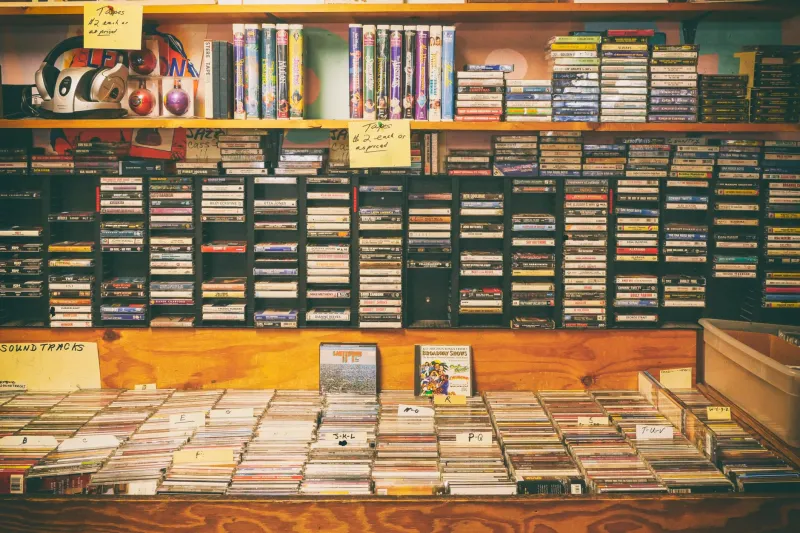
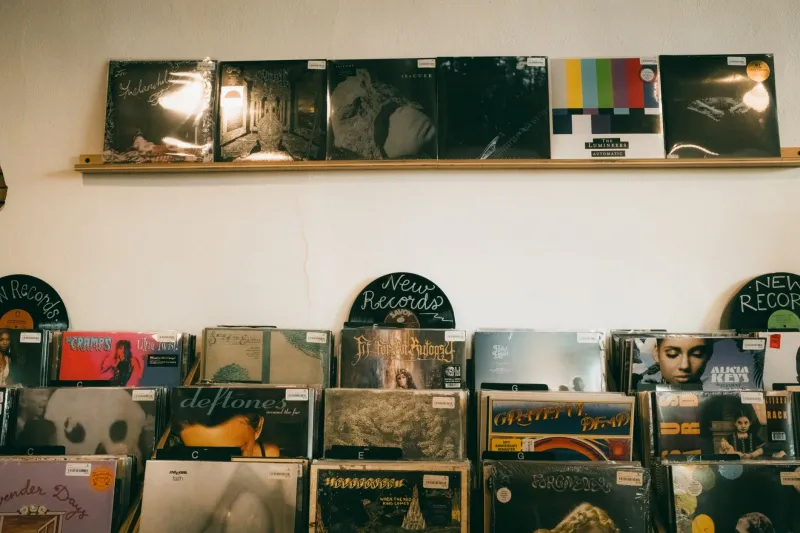
Game soundtracks and music media round out the picture. Japan's physical music market never collapsed the way it did in the West, and regional stores stocked OSTs from games, anime, and films that never got international distribution. Finding a complete soundtrack for a mid-2000s JRPG in a regional Asahikawa shop isn't unusual. Finding it at a reasonable price is the part that makes collectors emotional.
The Bypassing-the-Metropolis Strategy
Savvy collectors are increasingly building Japan trips around regional cities as primary destinations rather than afterthoughts. The logic is straightforward: if you only have limited time and budget, and your goal is genuinely rare physical media rather than the experience of shopping in a famous district, regional cities offer better odds.
This doesn't mean Tokyo is worthless for collectors — it absolutely isn't. But the strategy of flying into Sapporo, spending serious time in Asahikawa and other Hokkaido cities, and treating Tokyo as a secondary stop is producing better results for people who've tried both approaches.
The other advantage is practical: regional cities are less exhausting. You're not navigating massive crowds, you're not competing with dozens of other collectors in real time, and the shopping experience itself is calmer. You can actually take your time, dig through bins, and have conversations with staff — which matters more than people realize, because knowledgeable staff in a regional shop who trust you can point you toward stock that never made it to the floor.
What This Means for the Collector Community Going Forward
Here's the honest caveat: this window doesn't stay open forever. As the word spreads — and it is spreading — regional Japanese cities will see more collector attention. Prices will adjust. The best stuff will move faster. This is the same cycle that played out in Akihabara over the past two decades.
But Asahikawa and cities like it have a structural advantage that Tokyo doesn't: they're genuinely harder to get to for casual visitors. The friction of traveling to Hokkaido, renting a car, and navigating a city where English signage is limited filters out the people who aren't truly serious. That friction keeps the market softer for longer.
For collectors willing to do the work — learn a bit of Japanese, plan a real itinerary, and treat regional Japan as a destination rather than a detour — the opportunity is still very much there. The shelves aren't empty yet. And here at Video World Asahikawa, we'd like to think we're part of the reason why this city keeps surprising people who thought they'd already seen everything the Japanese media market had to offer.
Some cities become collector destinations by design. Asahikawa became one by accident — and that's exactly why it's worth your time.