Pressed in Japan, Played Everywhere: Why American Collectors Are Obsessed With Hunting Down Japanese Game OSTs
There's a particular kind of satisfaction that comes from sliding a disc out of a jewel case and reading liner notes that you can only half-translate. For a growing community of American collectors, that experience — imported, slightly mysterious, and completely irreplaceable — is exactly the point.
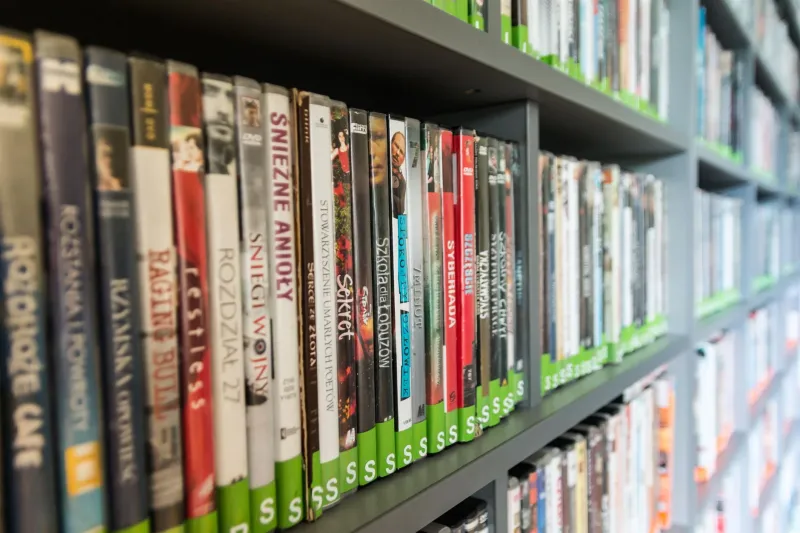
Video game soundtracks pressed and sold in Japan have quietly become one of the most sought-after items in the physical media collector world. And if you know where to look — places like the entertainment retailers tucked into cities like Asahikawa, up in Hokkaido — you'll find shelves stocked with exactly the kind of audio artifacts that Western fans are willing to pay serious shipping fees to own.
So what's driving all of this? And why does a CD pressed in northern Japan matter so much to someone sitting in, say, Austin or Portland?
The Sound Is Just Different
Let's start with the music itself, because that's where everything begins.
Japanese game composers have historically operated under a different set of assumptions than their Western counterparts. Where American and European game audio has often leaned into cinematic orchestration — sweeping strings, booming brass, the kind of stuff you'd hear soundtracking a Marvel trailer — Japanese composers working through the late '80s, '90s, and even into the 2000s were frequently working within tight technical constraints that forced creativity in a completely different direction.
The result? Music that was melodically dense, emotionally direct, and structurally inventive in ways that Western game audio often wasn't. Composers like Nobuo Uematsu, Yasunori Mitsuda, Yoko Shimomura, and Hitoshi Sakimoto built entire careers crafting music that felt like it existed independently of the games it accompanied — music that held up on its own terms when you pulled it away from the screen.
American collectors who stumbled onto this stuff through emulators or YouTube rabbit holes eventually hit a wall: streaming just doesn't cut it. The compression artifacts, the lack of context, the absence of physical ownership — none of it matches what they're actually after. So they go looking for the real thing.
Why Physical Matters Here More Than Almost Anywhere
The physical game OST market in Japan operates on a logic that the U.S. never quite replicated. Japanese publishers — especially during the peak CD era of the '90s — routinely released multi-disc soundtrack sets with detailed booklets, composer commentary, concept art, and track-by-track notes. These weren't afterthoughts. They were treated as legitimate music releases, sold in record stores and entertainment shops alongside mainstream albums.
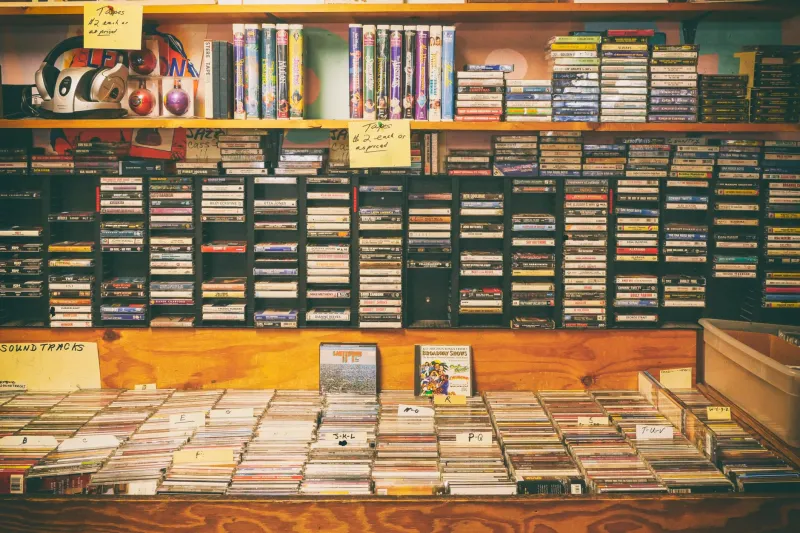
In Asahikawa, that tradition lives on in the inventory of stores that still stock older media alongside newer releases. You might flip through a used section and find a four-disc Chrono Cross soundtrack still in its original obi strip. Or a vinyl repress of a Nier score that never got a U.S. retail release. Or a limited drama CD bundled with a game that most American players never even heard of.
The obi strip alone — that paper band wrapped around the spine of Japanese CDs — has become a collector's obsession in its own right. Intact obi strips can meaningfully increase the value of a release. They're also just beautiful objects, dense with information printed in a font size that requires reading glasses and a willingness to squint.
The Hunt as the Point
Here's something worth understanding about this collector community: for a lot of them, the search is inseparable from the reward.
Streaming services have made it trivially easy to hear almost any piece of music ever recorded. That convenience is genuinely great for casual listening. But it's also completely removed the friction that made discovering something feel significant. When you find a used copy of a Vagrant Story OST in a Hokkaido shop — complete, clean, obi intact — that moment means something that a Spotify algorithm recommendation simply cannot replicate.
American collectors have started building community around this hunt. Subreddits, Discord servers, and dedicated social media accounts have popped up specifically around Japanese game music collecting. People share finds, post want lists, trade contacts for reliable import shops, and debate the relative merits of original pressings versus later reprints. It's a whole ecosystem.
What's interesting is how much of that ecosystem traces back to physical retail in Japan. Even in the age of online marketplaces like Suruga-ya and Yahoo! Japan Auctions, there's a persistent reverence for the idea of actually walking into a store in Japan and finding something. It's romantic in the best possible way — the record-store-crate-digging energy, transplanted to an entirely different country and genre.
What Asahikawa Shops Offer That Tokyo Doesn't
Tokyo gets most of the attention when people talk about Japanese game and media collecting — Akihabara, specifically, tends to dominate the conversation. And look, Akihabara is genuinely incredible. But it's also expensive, crowded, and increasingly oriented toward tourists who know exactly what they're looking for.
Somewhere like Asahikawa operates differently. It's a real city with real locals who shop at real entertainment stores, and the inventory reflects that. Prices tend to be lower. Competition from other collectors is reduced. And the curation is often more eclectic — less filtered through the lens of what's currently trending on import collector forums and more just... whatever came in.
That unpredictability is a feature, not a bug. The best finds in any collecting hobby come from places where no one's already picked through everything. Asahikawa's entertainment retail scene, including spots like Video World Asahikawa, represents exactly that kind of opportunity for the collector willing to dig.
Vinyl Is Its Own Chapter
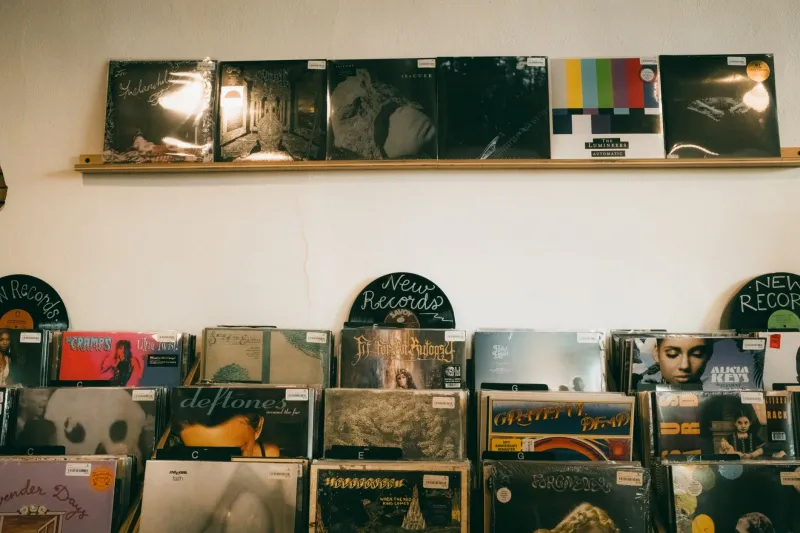
It would be incomplete to talk about Japanese game OST collecting without mentioning the vinyl resurgence happening in this space. Japanese labels — and increasingly Western ones licensing Japanese content — have been pressing game soundtracks to vinyl at a pace that would have seemed absurd a decade ago.
Some of these pressings are gorgeous. Picture discs, colored vinyl, gatefold sleeves with expanded artwork — the production values on high-end Japanese game soundtrack vinyl can rival anything in the mainstream record market. And because vinyl pressing runs are frequently limited, the secondary market for sought-after titles moves fast.
For American collectors, getting access to Japanese vinyl pressings before they sell out often means having a connection to a physical retailer in Japan — someone who can hold a copy, confirm condition, and ship it before the listing disappears. That kind of relationship with a shop, even a distant one, has real value.
A Different Way to Listen
There's one more thing worth saying, and it's less about collecting and more about the music itself.
When you own a physical soundtrack — when you pull it out, put it on, and sit with it — you listen differently than you do with a streaming playlist. The music gets context. It gets space. You read the liner notes, you look at the track listing, you notice the composer credits and start connecting names to sounds you've heard elsewhere.
Japanese game OSTs reward that kind of attention. The layering, the melodic callbacks, the way certain composers build emotional arcs across a full soundtrack — it all becomes clearer when you're actually engaging with the album as an album rather than a background shuffle.
That's probably the deepest reason this collecting trend keeps growing. It's not just about owning a rare object, though that's part of it. It's about finding a better way to hear music that was always worth hearing properly in the first place.