Lost in Translation, Found in the Bins: How American Film Collectors Are Chasing Japanese Import Blu-rays They Can Barely Read
There's a very specific kind of person who will spend forty-five minutes in front of a Blu-ray shelf they can only half-read, phone out, Google Translate camera aimed at the spine of a box set they've never seen before. They're not lost. They're exactly where they want to be.
Over the last several years, a dedicated corner of American film culture has quietly developed an obsession with Japanese physical media releases. Not just anime. Not just genre films. We're talking Ozu retrospectives in rigid slipcases. Kurosawa restorations with booklets thicker than most paperbacks. Foreign language prestige films pressed in limited runs that never made it stateside. The kind of stuff that, if you know what you're looking for, makes a well-stocked Asahikawa video store feel less like a retail space and more like an archive.
Why Japanese Releases Hit Different
The short answer is quality. The longer answer involves packaging philosophy, manufacturing standards, and a retail culture that treats physical media as something worth protecting.
Japanese Blu-ray releases have a reputation among collectors for exceptional attention to detail. The cases are sturdier. The booklets — when included — are genuinely substantial, often featuring essays, production photography, and interview transcripts that American releases skip entirely. The discs themselves frequently include lossless audio options, restored transfers, and supplemental materials curated with a seriousness that boutique American labels like Criterion or Kino Lorber aspire to but don't always achieve.
And then there's the packaging itself. Japanese limited editions often come in rigid o-card cases, fabric-wrapped boxes, or elaborate digipak designs that turn a movie into something closer to a collector's artifact. For the kind of film enthusiast who already owns three different versions of 2001: A Space Odyssey, a Japanese pressing of a beloved title isn't redundant — it's the definitive object.
The Criterion Collector Pipeline
It's not a coincidence that this trend has accelerated alongside the broader boutique physical media boom in the US. Criterion's success in reframing film collecting as a legitimate cultural practice opened a door. It taught a generation of cinephiles that a movie could be worth owning in a specific edition, that packaging and supplemental materials were part of the experience, and that some releases were simply better than others.
Once you've internalized that logic, Japanese imports become the natural next step. Because if you're already hunting for the best possible version of a film, and the best possible version happens to be a region-free pressing sold in a store in Hokkaido with a tag you need an app to decode — well, that's just the hobby doing what hobbies do.
Collectors who started with Criterion have increasingly found themselves cross-referencing release databases, comparing transfer notes on international forums, and building wishlists that span continents. Asahikawa, with its mix of new releases, older stock, and the occasional genuinely rare find, has become a real destination in that mental geography.
The Language Barrier as Part of the Appeal
Here's the part that surprises people outside the hobby: the fact that Japanese store tags and packaging are in Japanese isn't really a deterrent. For a lot of collectors, it's almost the point.
There's a particular satisfaction in working for something. When you've spent time learning enough Japanese to distinguish a standard edition from a limited pressing, or to recognize the kanji for "first print" or "bonus disc included," that knowledge feels earned. It adds a layer of engagement to the hunt that clicking "add to cart" on Amazon simply doesn't replicate.
Some collectors have gone further than that. There are active online communities — subreddits, Discord servers, niche forums — where American film enthusiasts trade tips on reading Japanese release terminology, share photos of store finds, and help each other decode the fine print on box sets. A handful of dedicated hobbyists have put serious time into learning conversational Japanese specifically because it made navigating stores and corresponding with sellers easier.
That's a level of commitment that would have seemed eccentric ten years ago. Now it's just what serious collecting looks like.
What Makes Something Worth Hunting
Not every Japanese release is a grail. Part of the skill in this hobby — and it is a skill — is knowing which titles got exceptional treatment and which are essentially the same disc in fancier packaging.
Generally speaking, collectors are looking for a few specific things. First-print bonuses are significant: Japanese releases frequently include exclusive extras — art cards, booklets, physical memorabilia — that are only available in initial production runs. Once those are gone, the base release loses a chunk of its value and appeal. Limited edition box sets for beloved franchises or director retrospectives tend to be highly sought after, particularly when they include materials not available anywhere else. And restored transfers of classic films — especially older Japanese cinema that hasn't received the same archival attention in Western markets — can make a Japanese pressing genuinely irreplaceable.
The resale market in the US reflects all of this. Japanese import Blu-rays regularly command significant premiums on eBay and dedicated collector marketplaces, particularly for first-print editions in sealed condition. A title that retailed for the equivalent of forty US dollars in an Asahikawa store might sell for two or three times that to an American buyer who missed the original release window.
Browsing as a Practice
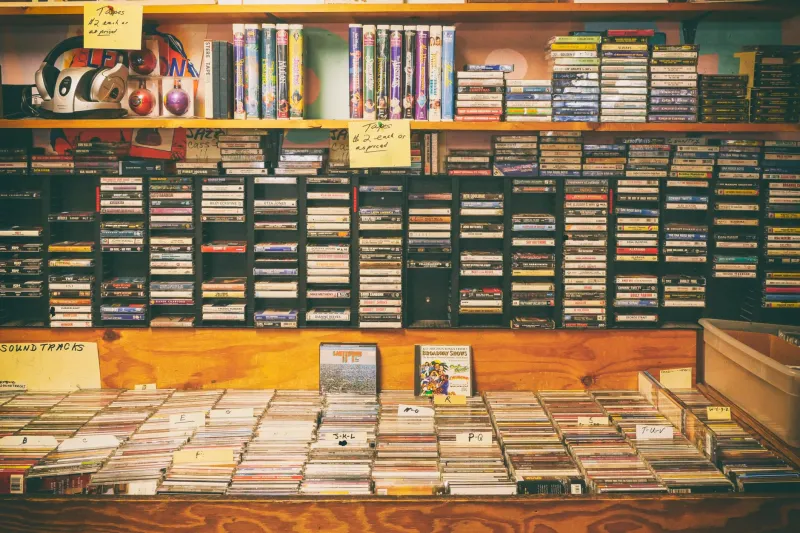
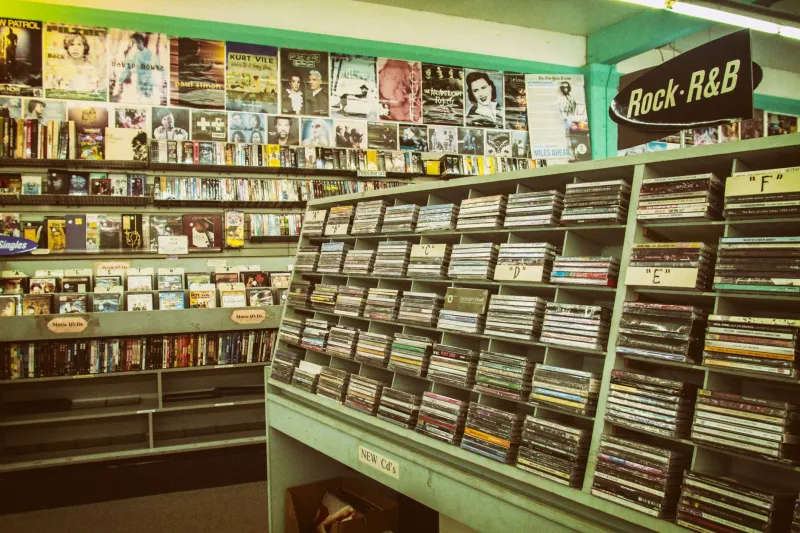
What gets lost in the online resale conversation is the experience of actually being in the store. There's something about physically browsing a well-organized Japanese video retailer that online hunting doesn't replicate. The organization is different. The staff picks are different. The things that end up in the discount bins versus the featured displays reflect a different set of cultural priorities than what you'd find in an American big-box store.
For collectors who've made the trip — and yes, people do make trips specifically to browse physical media stores in cities like Asahikawa — the experience tends to be described in almost meditative terms. You're moving through a space organized around different assumptions about what films matter and how they should be presented. That's disorienting in the best possible way.
It's also genuinely unpredictable. You can't always know in advance what you'll find. That unpredictability is the whole game.
The Bigger Picture
At its core, this trend is about what happens when physical media collecting gets serious. When you've exhausted the obvious domestic options, when you've pre-ordered every major boutique release and tracked down the regional variants you care about, the next frontier is international. And Japan, with its manufacturing standards, its collector-friendly release culture, and its sheer volume of titles that never got proper Western distribution, is the most rewarding frontier available.
The language barrier is real. The shipping costs are real. The import restrictions on region-locked discs (though many Japanese Blu-rays are region-free) are worth researching before you buy. None of that has slowed the hobby down.
If anything, it's made the community tighter. People who share tips on reading store tags and decoding first-print bonus terminology aren't just trading information — they're building a shared practice around something they genuinely love. That's what collecting looks like when it's working the way it's supposed to.