Hear It Right: Why a Growing Wave of American Viewers Is Ditching Dubs and Going Straight to the Japanese Source
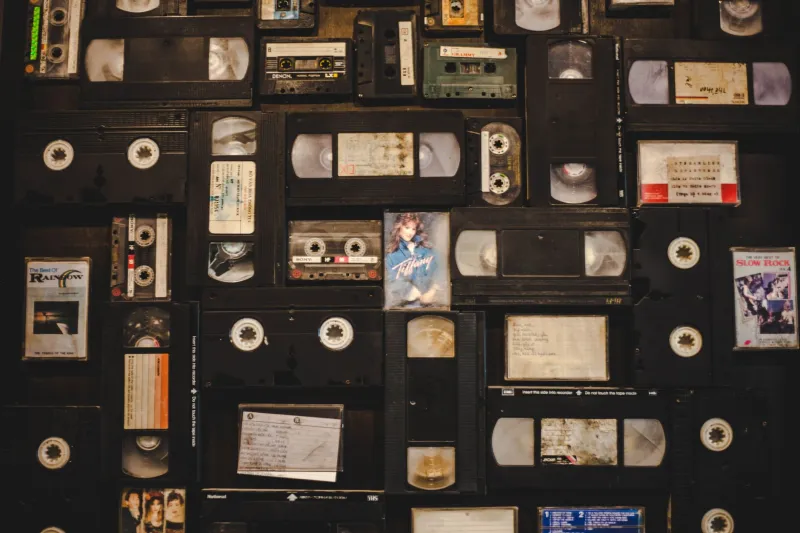
There was a time when the English dub was the default. You picked up an anime VHS at the video store, you got an English voice cast, and that was the version. The original Japanese audio was either unavailable or buried in a menu that most people never navigated to. For a generation of American viewers, the dubbed version wasn't a compromise — it was simply what these shows and films sounded like.
That assumption has been quietly dismantled over the past decade, and the dismantling has accelerated sharply. A significant and growing portion of American viewers now actively prefer the original Japanese audio track for films and series, treating the English dub not as the real version but as a translation artifact — useful for some, but not the genuine article. The reasons behind this shift are worth unpacking, because they say something interesting about how American audiences have changed.
What Changed and When
Streaming gets a lot of the credit, and it deserves some of it. When Crunchyroll built its entire model around simulcast Japanese audio with subtitles, it wasn't just offering a service — it was training a generation of viewers to experience anime in a specific way. Those viewers grew up with the Japanese voice performances as the reference point. When dubs arrived later, they often felt like an approximation of something those viewers already knew.
But the streaming explanation only goes so far. Plenty of viewers who came to Japanese content through dubbed versions have since switched to original audio and found they prefer it. Something else is happening alongside the platform shift — a broader change in how American audiences think about authenticity and translation.
The Authenticity Argument
The case for original audio isn't primarily technical, though technical arguments exist. Japanese voice acting — particularly in animation — operates within a performance tradition that's genuinely different from Western voice work. The emotional register, the pacing, the way actors use silence and breath — these are craft choices specific to the original production. A dub, however well executed, is a reinterpretation of those choices.
Viewers who've made the switch often describe a moment of recognition: a scene they've watched dubbed suddenly lands differently in Japanese, not because the dialogue changed dramatically, but because the performance underneath the translation was doing something the dub had smoothed over.
"I watched a show I'd already seen in English," one viewer from Seattle told us, "and there were moments I'd found kind of flat that suddenly had this whole layer I'd missed. The actor was doing something with their voice that just didn't carry over."
This isn't an argument that dubs are bad — many are excellent, and the English voice acting community is full of genuine talent. It's an argument that they're different, and that the difference matters more to audiences than it used to.
Translation Quality Is Part of the Conversation
Localization has always involved tradeoffs, but the internet has made those tradeoffs visible in a way they weren't before. Fan communities routinely compare official translations to source material, and significant discrepancies get documented and shared widely. When a localization team makes a choice that flattens a cultural reference or softens dialogue to fit broadcast standards, it doesn't go unnoticed the way it once might have.
This scrutiny has raised expectations. Viewers who know that a character's speech patterns in Japanese carry specific social information — formality levels, regional dialect, generational markers — want to know that those elements are being represented somehow, either in the translation or in the performance. When they're not, it registers as a loss.
The subtitle vs. dub debate sometimes gets framed as elitism, but it's more accurately understood as a consumer preference for completeness. Viewers want the whole thing, not an edited version.
How Physical Media Fits Into This
Here's where the retail side of this conversation gets interesting. Streaming platforms control which audio options they offer, and their choices aren't always driven by what viewers want — they're driven by licensing costs, catalog management, and platform strategy. Some titles available on major streaming services don't include the original Japanese audio at all, particularly older content where rights are complicated.
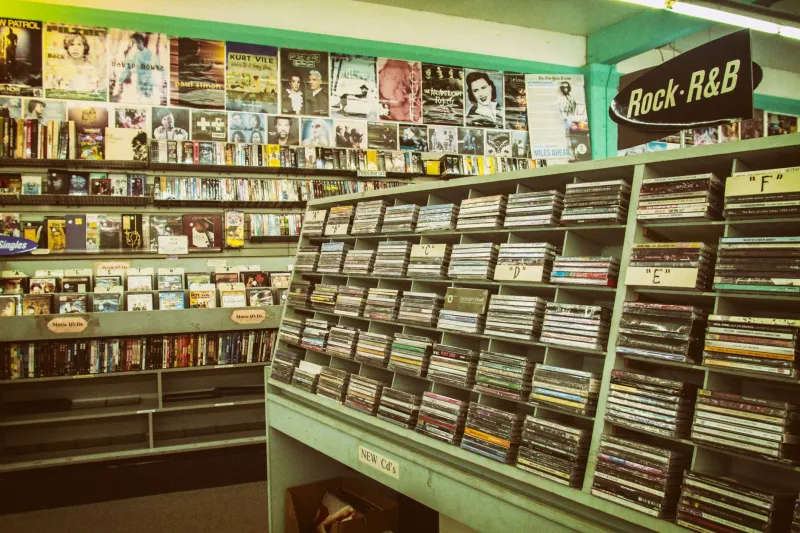
Physical media doesn't have this problem in the same way. Japanese Blu-ray releases, including titles sold through shops like Video World Asahikawa, typically include the original audio as the primary track, often alongside multiple subtitle options. For viewers who want the unmediated version of a film or series — the version the creators actually made — Japanese physical releases frequently offer something that Western streaming simply doesn't.
American collectors have figured this out. The import Blu-ray market for Japanese film and animation has grown alongside the preference for original audio, and it's not a coincidence. Buyers are specifically seeking out releases that give them access to the version they want, which the domestic market isn't reliably providing.
What Retailers Are Doing With This Shift
Shops that specialize in Japanese media — particularly those with strong physical inventory — have positioned themselves as curators of what you might call the proper version. That framing resonates with a specific kind of buyer: someone who knows what they want, has done the research, and is willing to put in a little extra effort to get the actual thing rather than the localized approximation.
At Video World Asahikawa, this is something we've seen directly. Customers asking specifically about original audio availability, about whether a particular release includes the theatrical audio mix, about what subtitle options come bundled with a given disc — these are increasingly common questions. The customer base has gotten more sophisticated, and the inventory conversation has followed.
Where This Goes
The preference for original audio isn't going to replace dubbing entirely. Dubbed versions serve real purposes — accessibility, convenience, reaching audiences who simply prefer not to read subtitles. The dub isn't going away.
But the cultural authority of the dub as the default American version of Japanese content has genuinely eroded. A generation of viewers has grown up understanding that the original exists, that it's accessible, and that it's worth seeking out. That's a permanent change in how American audiences relate to international content, and it's pushing both streaming platforms and physical retailers to respond.
The viewers who've made the switch tend to be pretty clear about it: they're not going back. The original audio isn't the foreign version to them anymore. It's just the version.