Bring It Back by Tuesday: Five Rental-Era Rules We Should Never Have Abandoned
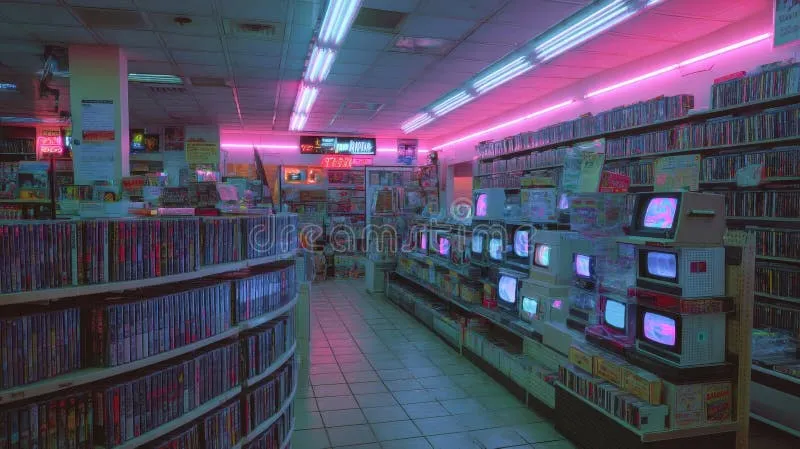
Photo: retro video rental store counter VHS tapes nostalgic interior, via thumbs.dreamstime.com
Let me say the unsayable up front: the late fee was a good idea.
I know. It's the thing America loved to hate, the symbol of everything wrong with the video store era, the fee that supposedly killed Blockbuster twice over. But having spent time in shops where the rental ritual never died — where due dates, counters, and yes, even the occasional fee are still part of the deal — I've come to believe we threw out a lot more than we meant to when we went all-in on streaming.
Here are five 'flaws' of the rental era that were secretly features.
1. The Due Date Made You Finish Things
Streaming gave us a watchlist with 400 titles and zero urgency. The rental era gave you a disc and a deadline. That deadline was a gift. It forced commitment: you watched the movie this weekend, you finished the game's first real chapter before Sunday, and — crucially — you actually finished things.
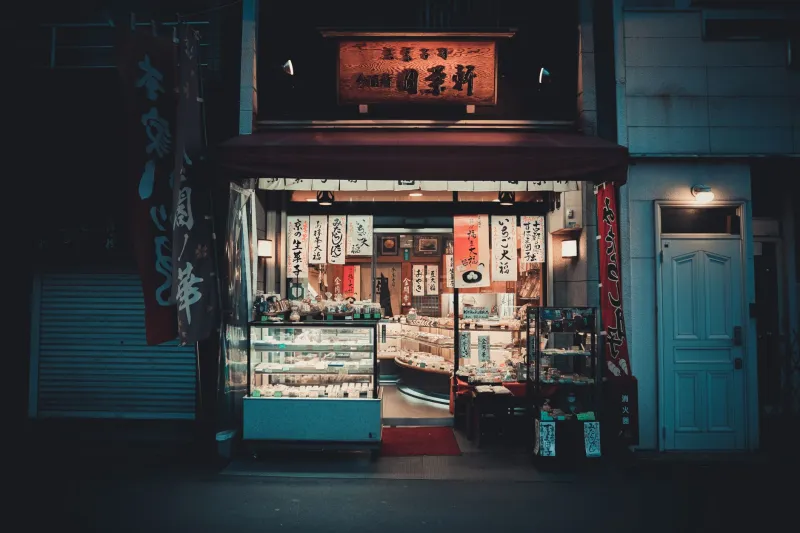
In Asahikawa shops, that rhythm is still alive. New releases come with a tight return window, and customers plan around it. The result? People complete what they start. When was the last time you finished anything on your streaming queue?
2. The Fee Made You Value the Experience
A small, occasional sting for forgetting taught something streaming never could: that entertainment is a finite resource with a cost to wasting it. Behavioral economists call this a 'commitment device' — a small penalty that sharpens your attention. A $2 late fee made you show up. An auto-renewing subscription makes you nothing at all.
3. Returning in Person Closed the Loop
The trip back to the store — the drop slot, the counter, the clerk's 'find it good?' — gave watching a movie a beginning, middle, and end. Streaming content just... evaporates. No completion, no ritual, no human moment. Japanese rental culture kept the return as a social ritual, and it's one of the reasons those shops remain neighborhood institutions rather than faceless apps.
4. Browsing the Aisles Was the Recommendation Engine
You came in for one movie and left with three, because the shelf itself was a curator. Covers side by side, genres clustered, staff picks taped up at eye level. The algorithmic feed shows you what you already like. The aisle showed you what you didn't know you wanted. That serendipity — the accidental discovery — is the single biggest thing American viewers say they lost when the stores closed.
5. The Store Was a Third Place
And finally, the big one. The video store was a place — a destination, a hangout, a spot where you ran into your neighbor and argued about whether the original or the remake was better. The popcorn machine smell wasn't a gimmick; it was atmosphere. It said this is an occasion.
When we replaced the store with an app, we didn't just lose the fees. We lost the place. And no 'Skip Intro' button has ever filled that hole.
The Contrarian Takeaway
I'm not asking anyone to mourn late fees — I'm asking us to notice what they were attached to. Deadlines, rituals, places, people. The rental era's inconveniences were friction, and friction, it turns out, is where the meaning lived.
Streaming removed the friction and, somewhere along the way, the fun went with it. The shops that kept the ritual — and there are more of them than you'd think — aren't stuck in the past. They're holding onto something the rest of us didn't realize we'd need until it was gone.